

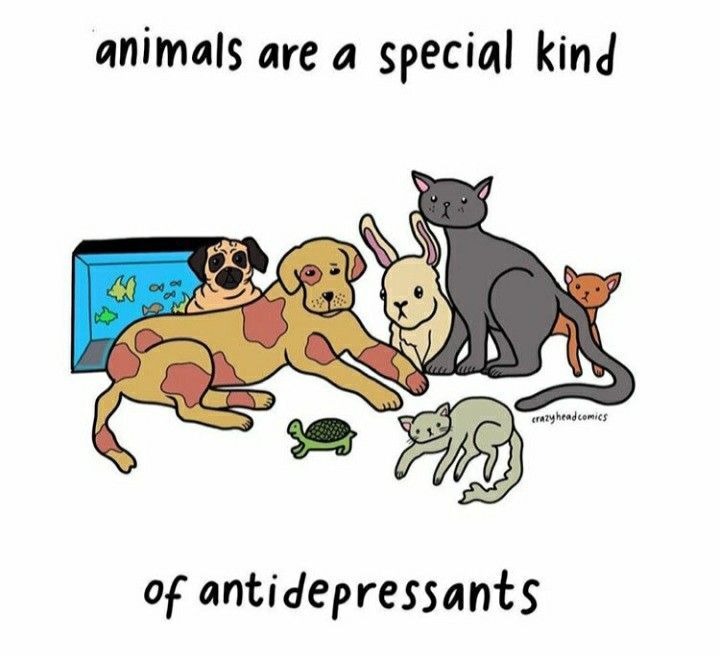
In a world that often moves too fast, animal shelters stand as quiet places of second chances. They are not just buildings with cages and food bowls. They are spaces where broken stories slowly begin to heal. For abandoned animals, shelters offer safety and hope. For people, they offer connection, purpose, and unconditional love in its purest form.
The impact of animal shelters goes far beyond rescue. They change lives on both sides of the gate — for pets who have known fear and loss, and for humans who may not even realize how much they need them.
Table of Contents
Animal shelters: More Than Just Temporary Homes
Many people think animal shelters are simply holding places until adoption. In reality, animal shelters are lifelines. They step in when animals are neglected, abused, lost, or surrendered due to circumstances beyond their control.
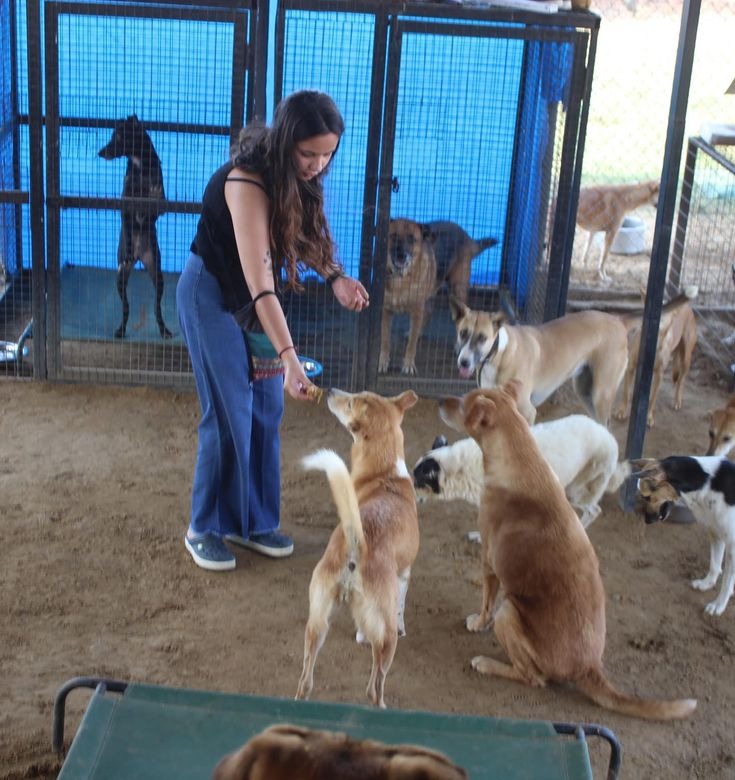
Inside shelters, animals receive food, medical care, warmth, and protection. But just as important, they receive time. Time to rest. Time to recover. Time to trust again. For a dog who has been chained for years or a cat abandoned on a roadside, this pause can be life-saving.
Animal shelters become the first place where an animal feels safe again. And safety is where healing begins.
Giving Abandoned Pets a Second Chance at Life
Every year, millions of animals end up homeless due to abandonment, natural disasters, or irresponsible breeding. Without animal shelters, many of these pets would not survive.
Shelters rescue animals from harsh environments and provide immediate veterinary care. Injuries are treated. Malnutrition is addressed. Emotional trauma is slowly soothed through gentle handling and routine. Even animals with disabilities or old age are given a chance, something they rarely receive outside shelter walls.
For many pets, animal shelters are the difference between life and death. For others, they are the bridge to a forever home filled with warmth and love.
Emotional Healing for Animals Who’ve Lost Trust
Animals feel fear, grief, and anxiety just like humans do. Pets that arrive at animal shelters often carry emotional scars. Some flinch at human touch. Others hide in corners or show aggression as a defense.
Shelter staff and volunteers work patiently to rebuild that trust. Simple acts — a calm voice, a daily walk, consistent feeding times — slowly teach animals that not all humans bring harm. Over time, tails start wagging again. Eyes soften. Personalities emerge.
This emotional transformation is one of the most powerful miracles animal shelters create. Watching a frightened animal learn to trust again is proof that kindness heals deeply.
How Animal Shelters Change Human Lives Too
The impact of animal shelters doesn’t stop with animals. Humans who walk into shelters often leave changed. Adopters, volunteers, and even visitors experience emotional shifts they didn’t expect.
For adopters, bringing home a shelter pet is often a deeply meaningful experience. Knowing you gave an animal a second chance creates a bond rooted in gratitude and loyalty. Shelter pets often form strong emotional attachments, sensing they’ve been saved.
For people dealing with loneliness, stress, or loss, adopting from animal shelters can be life-changing. Animals offer companionship without judgment, helping people heal emotionally in ways words often cannot.
The Power of Adoption: A Mutual Rescue
Adoption from animal shelters is not a one-sided act of kindness. It’s mutual rescue. While animals gain a home, humans gain purpose, routine, and emotional grounding.
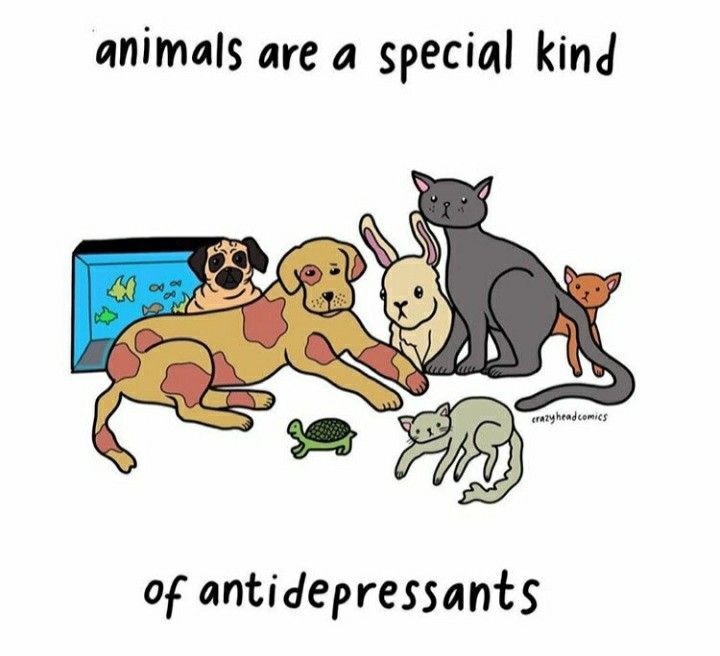
Studies consistently show that pet ownership can reduce stress, anxiety, and depression. Shelter pets, in particular, often show deep affection and loyalty toward their adopters. They seem to understand that they were chosen.
This bond becomes a daily reminder that love doesn’t need perfection — it just needs care and commitment. Animal shelters make these life-changing connections possible every single day.
Volunteers: Finding Purpose Through Service
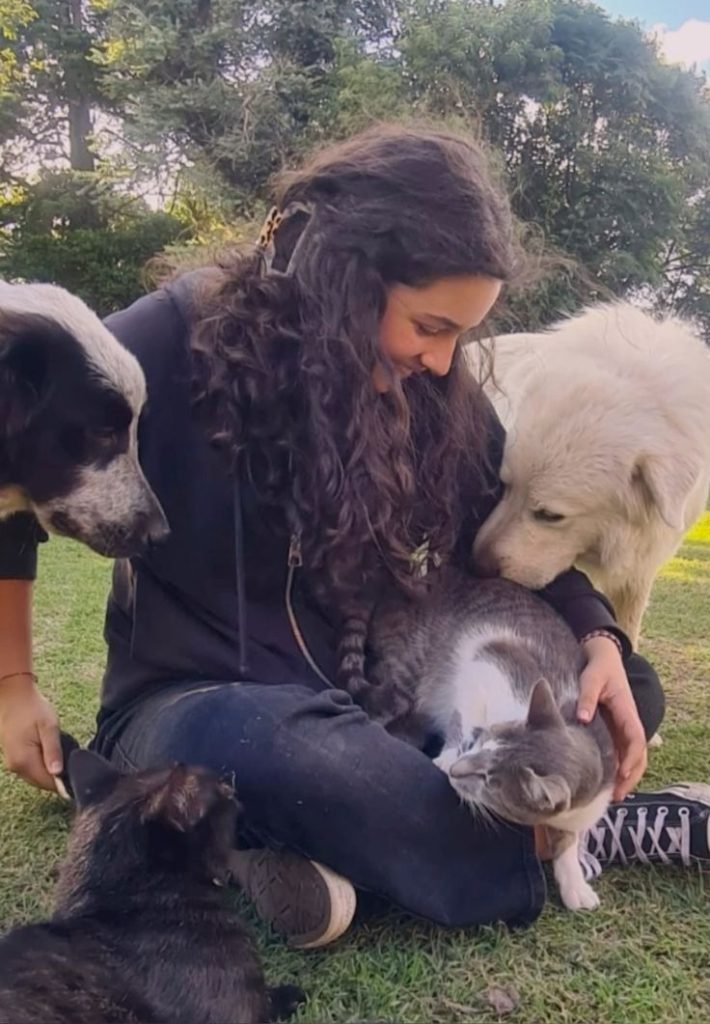
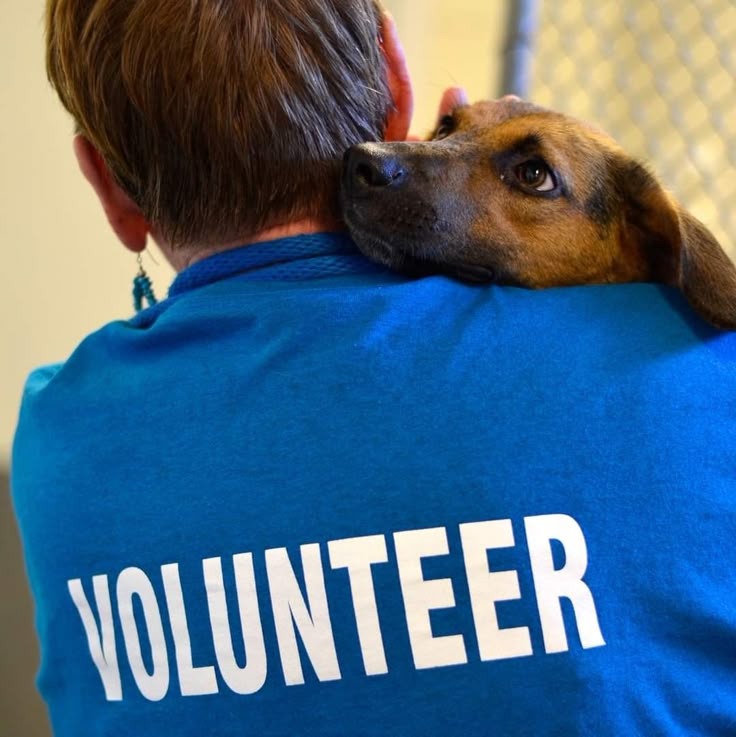
Many people discover animal shelters during periods of transition in their lives. Students, retirees, professionals facing burnout — volunteering becomes a source of grounding and meaning.
Walking dogs, cleaning kennels, socializing cats, or helping with adoption events creates a sense of contribution. Volunteers often say that while they came to help animals, the experience ended up helping them more.
Animal shelters offer a unique form of therapy. The simple presence of animals, combined with acts of kindness, helps people reconnect with empathy and compassion. It’s healing without prescriptions.
Teaching Compassion and Responsibility to Communities
Animal shelters play a powerful educational role in society. They teach communities about responsible pet ownership, spaying and neutering, and the consequences of abandonment.
School visits, awareness campaigns, and adoption drives help children learn empathy from an early age. When kids interact with rescued animals, they begin to understand responsibility, kindness, and respect for life.
Through outreach programs, animal shelters help reduce cruelty and neglect. They don’t just save animals — they shape more compassionate future generations.
Supporting Mental Health Through Human-Animal Bonds
The emotional connection between humans and animals is scientifically proven to support mental health. Animal shelters are often the starting point for these life-enhancing relationships.
Shelter pets have been adopted as emotional support animals, therapy companions, and service animals. Many people struggling with PTSD, anxiety, or depression find stability through caring for a rescued pet.
Animal shelters indirectly become part of healing journeys, offering comfort that feels natural and unconditional. Sometimes, a quiet purr or a wagging tail can speak louder than therapy sessions.
Animal Shelters and Community Strength
Strong communities often have strong animal shelters. These organizations bring people together — donors, volunteers, veterinarians, and adopters — united by compassion.
During crises like floods, fires, or pandemics, animal shelters step up not only for animals but for people too. They provide temporary housing for pets, ensuring families don’t have to choose between safety and their beloved companions.
In this way, animal shelters reinforce the idea that care extends beyond individuals. They remind us that community means looking after the most vulnerable, whether human or animal.
Breaking Myths About Shelter Animals
One of the biggest challenges animal shelters face is misinformation. Many people believe shelter animals are aggressive, sick, or “damaged.” In reality, most animals are surrendered due to human circumstances like relocation, financial stress, or lack of awareness.
Shelter pets are just as loving, trainable, and healthy as animals from breeders — often more grateful and emotionally bonded. Animal shelters work hard to dispel these myths and encourage adoption over shopping
Changing perceptions is crucial. Every adoption proves that love doesn’t come from a price tag.
A Lifelong Ripple Effect of One Kind Choice
The decision to support animal shelters creates a ripple effect that lasts for years. One adoption frees up space for another rescue. One donation funds medical care. One volunteer inspires others to help.
Even small acts — sharing adoption posts, fostering temporarily, or spreading awareness — contribute to a larger movement of compassion. Animal shelters thrive because ordinary people choose to care.
These choices shape kinder societies, one rescued life at a time.
Why Animal Shelters Matter Now More Than Ever
In today’s fast-changing world, animal shelters face increasing challenges. Rising abandonment rates, limited funding, and overcrowding make their work harder than ever.
Yet their role is more important now than ever before. Animal shelters are reminders that kindness still exists. That healing is possible. That second chances can rewrite entire lives.
They stand as proof that humanity is measured not by progress alone, but by how we treat those who cannot speak for themselves.
Conclusion: Where Hope Begins
Animal shelters are places where fear turns into trust, and loss transforms into love. They change lives quietly but profoundly — for pets who learn to hope again, and for people who rediscover empathy and connection.
When you support animal shelters, you’re not just saving animals. You’re strengthening communities, healing hearts, and building a more compassionate world.
Sometimes, changing a life doesn’t require grand gestures. Sometimes, it begins with opening a shelter door and choosing kindness.
What is the main purpose of rescue and care centers for animals?
The main purpose of rescue and care centers is to provide safety, protection, and support to animals who are abandoned, lost, abused, or surrendered by their owners. These places act as temporary homes where pets receive food, medical attention, emotional care, and shelter from harsh environments. Beyond basic survival, such centers focus on rehabilitation and finding permanent homes, ensuring animals are physically healthy and emotionally ready to begin a new chapter of life.
How do rescued pets recover after being abandoned or mistreated?
Rescued pets recover through a combination of medical treatment, proper nutrition, emotional reassurance, and consistent routines. Many animals arrive frightened, injured, or malnourished due to neglect or trauma. Caregivers and volunteers work patiently to rebuild trust using gentle interaction and stability. Over time, animals begin to feel safe, their personalities emerge, and their confidence returns. This healing process plays a crucial role in preparing them for adoption and a better future.
Why is adoption a better choice than buying pets?
Adoption saves lives and helps reduce unethical breeding practices. Many pets available for adoption are surrendered because of human circumstances such as relocation, financial issues, or lack of awareness—not because of behavioral problems. Choosing adoption gives these animals a second chance while also creating space for more rescues. Adopted pets are often health-checked, vaccinated, and sterilized, making adoption both compassionate and responsible.
How does adopting a rescued pet affect human mental health?
Adopting a rescued pet can significantly improve emotional and mental well-being. Caring for an animal provides companionship, routine, and a sense of purpose, which can reduce stress, loneliness, and anxiety. Many people struggling with emotional challenges find comfort in the unconditional love animals offer. The bond formed through adoptio


