

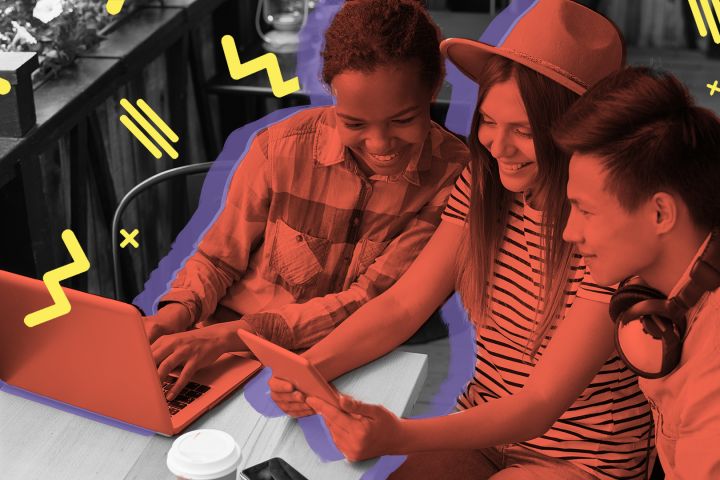
Generation Z, commonly known as Gen Z, has rapidly become one of the most influential forces shaping society in 2026. Born roughly between the late 1990s and early 2010s, this generation grew up in a fully digital world. Unlike previous generations, they have never experienced life without the internet, smartphones, or social media. Their exposure to global connectivity from a young age has made them more aware, adaptable, and socially conscious.
In 2026, Gen Z is no longer just a young audience consuming trends. They are the creators, innovators, and changemakers driving cultural, technological, and social transformations across the world.
Table of Contents
A Generation That Values Authenticity
One of the biggest ways Gen Z is redefining society is through their strong preference for authenticity. They are highly aware of marketing tactics and are quick to identify content or brands that feel forced or unrealistic. Instead of polished perfection, Gen Z prefers raw, relatable, and genuine experiences.
Social media platforms in 2026 are filled with content that celebrates real-life struggles, personal growth, and individuality. Influencers and creators who share honest stories and unfiltered moments often gain stronger connections with Gen Z audiences. This shift has encouraged brands and public figures to focus on transparency and emotional connection rather than unrealistic portrayals of success.
Authenticity has also changed workplace culture. Young professionals now prefer environments where they can express themselves freely, communicate openly, and maintain mental well-being. This approach is slowly reshaping corporate values and employee expectations globally.

Digital Innovation and Tech Adaptability
Gen Z is often called the first true digital-native generation, and in 2026, their technological adaptability is more visible than ever. They quickly learn and adopt emerging technologies such as artificial intelligence, virtual reality, and automation tools. Instead of fearing technological changes, Gen Z sees them as opportunities for creativity and productivity.
Many Gen Z individuals are building careers through digital platforms. Content creation, freelancing, online entrepreneurship, and remote work have become common professional choices. The traditional 9-to-5 job structure is gradually being replaced by flexible and skill-based work models influenced heavily by Gen Z preferences.
Their comfort with technology has also accelerated digital education. Online learning platforms, skill-based certifications, and hybrid education models have become widely accepted due to Gen Z’s learning style. They prefer interactive and practical knowledge rather than rigid textbook-based education.
Strong Focus on Mental Health Awareness
Mental health awareness is another area where Gen Z is making a powerful positive impact. In previous generations, conversations around anxiety, depression, or emotional challenges were often ignored or stigmatized. Gen Z has broken that silence by openly discussing mental health across social media, workplaces, and educational institutions.
In 2026, mental well-being is considered just as important as physical health, largely due to Gen Z advocacy. Schools, colleges, and organizations now provide better counseling services, flexible work schedules, and supportive policies to promote emotional balance.
Gen Z also promotes self-care, therapy acceptance, and emotional expression as normal parts of life. This openness has helped reduce social stigma and encouraged people of all age groups to seek professional help without fear or shame.

Redefining Career Goals and Work Culture
Gen Z is transforming traditional career thinking by prioritizing purpose along with financial stability. Unlike earlier generations that often focused only on job security, Gen Z looks for meaningful work that aligns with personal values and passions.
In 2026, young professionals are choosing careers that allow them to create social impact, contribute to sustainability, or support community development. They are more likely to switch jobs if they feel undervalued or emotionally drained. This has encouraged companies to focus more on employee satisfaction, diversity, and inclusive work environments.
Entrepreneurship has also grown significantly among Gen Z. Many young individuals prefer starting small businesses, online ventures, or creative startups rather than depending solely on traditional employment. Their innovative mindset and risk-taking ability are driving economic and creative growth across industries.
Promoting Sustainability and Environmental Responsibility
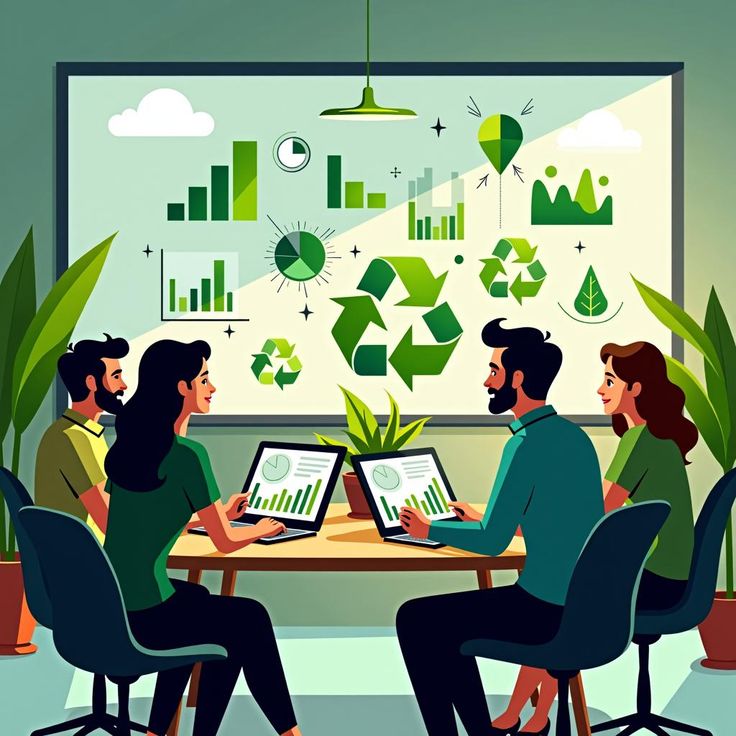
Gen Z has emerged as one of the strongest supporters of environmental sustainability. Growing up during global climate discussions, they are highly aware of environmental challenges and actively support eco-friendly practices.
In 2026, sustainable lifestyles have become more popular due to Gen Z influence. They prefer environmentally responsible products, support ethical brands, and promote conscious consumption. From reducing plastic use to encouraging thrift culture, Gen Z is reshaping consumer behavior worldwide.
Many Gen Z activists are also participating in climate awareness campaigns, environmental education, and policy discussions. Their consistent efforts have pushed governments and corporations to adopt greener policies and sustainable production methods.
Transforming Social Media into a Positive Space
Social media has often been criticized for negativity and misinformation. However, Gen Z is gradually transforming digital platforms into spaces for education, activism, and meaningful conversations. In 2026, social media is not just about entertainment but also about awareness and community building.
Young creators are using platforms to share educational content, skill tutorials, social awareness campaigns, and motivational stories. Social media has also become a tool for promoting inclusivity, diversity, and social equality.
Gen Z encourages respectful online communication and often challenges harmful stereotypes. Their digital activism has created global conversations about social justice, gender equality, and human rights. This positive transformation highlights their ability to use technology responsibly and creatively.
Breaking Stereotypes and Celebrating Diversity
Gen Z strongly believes in acceptance and representation. In 2026, they are actively challenging traditional stereotypes related to gender roles, cultural identity, and social norms. They promote individuality and encourage people to express their identities without fear of judgment.
This generation supports equal opportunities regardless of background, gender, or lifestyle choices. Their inclusive mindset has influenced entertainment industries, workplaces, and educational institutions to represent diverse voices more fairly.
Gen Z also celebrates cultural exchange through global digital connectivity. They explore international cultures, traditions, and languages while respecting diversity. This global perspective is helping build stronger cross-cultural understanding and unity.

Changing Consumer Behavior and Market Trends
Businesses in 2026 are rapidly adapting to Gen Z preferences because of their strong influence on market trends. This generation values quality, transparency, and social responsibility while making purchasing decisions.
Gen Z prefers brands that align with ethical values and sustainability goals. They often research products thoroughly, read customer reviews, and support small or local businesses. Their purchasing power has forced companies to focus on authenticity, social responsibility, and customer engagement.
Digital shopping experiences have also evolved due to Gen Z expectations. Interactive marketing, personalized recommendations, and social media-based shopping have become common strategies used by brands to connect with younger audiences.
The Future Led by Gen Z Innovation
The influence of Gen Z in 2026 is shaping the future of technology, culture, education, and social systems. Their creativity, adaptability, and social awareness are driving innovation across industries. They are introducing fresh ideas and challenging outdated traditions while maintaining respect for diversity and inclusivity.
As this generation continues to grow professionally and socially, their impact will become even stronger. They represent a balanced combination of digital intelligence, emotional awareness, and global responsibility.
Gen Z is not just redefining trends or technology. They are redefining values, priorities, and societal progress. Their positive approach towards change is creating a future that is more inclusive, sustainable, and socially responsible.
Conclusion
Gen Z in 2026 stands as a generation that is actively transforming the world through innovation, awareness, and authenticity. Their focus on mental health, sustainability, inclusivity, and digital advancement highlights their commitment to positive change.
They are challenging outdated systems and encouraging societies to adopt more balanced and human-centered approaches. Through technology, social activism, and cultural influence, Gen Z is shaping a future that values creativity, responsibility, and global unity.
As the world continues to evolve, Gen Z will remain a powerful force driving progress and inspiring future generations. Their ability to combine digital skills with emotional intelligence makes them one of the most impactful generations in modern history.
Why does authenticity matter so much to today’s youth?
Authenticity matters because today’s youth value honesty over perfection. They are more drawn to real stories, genuine emotions, and transparent communication. This mindset has changed how brands, creators, and workplaces interact with people. Being relatable and trustworthy now builds stronger connections than polished but unrealistic images.
How has work culture changed because of younger professionals?
Work culture has shifted toward flexibility, creativity, and purpose. Younger professionals prefer roles that allow personal growth, mental well-being, and meaningful contribution. Remote work, freelancing, and skill-based careers have become more accepted as a result. Employers are adapting by offering better work-life balance and inclusive environments.
Why is sustainability important to the new generation?
Sustainability is important because environmental challenges directly affect future opportunities. Conscious consumption, ethical choices, and eco-friendly habits are becoming everyday practices. This mindset has pushed industries to adopt greener solutions and encouraged individuals to take responsibility for their environmental impact
What does success mean in 2026?
Success in 2026 is no longer defined only by income or job titles. Personal fulfillment, mental peace, social impact, and growth matter just as much. People are choosing paths that align with their values and well-being, creating a healthier and more sustainable definition of achievement.
What role does mental health play in modern lifestyles?
Mental health has become a central priority in modern life. Open conversations about stress, burnout, and emotional well-being have reduced stigma and encouraged people to seek support. Schools, offices, and families are now more aware of emotional needs, making mental wellness an essential part of daily life rather than a hidden issue.


