


Preparing for the UPSC Civil Services Examination in 2026 can feel overwhelming, especially when you are just starting out or trying again after an unsuccessful attempt. The syllabus looks endless, the competition feels intimidating, and advice comes from every direction. Yet, every year, thousands begin this journey and some make it through with clarity, consistency, and patience.
UPSC preparation in 2026 is not about studying everything or copying toppers blindly. It is about understanding the exam, knowing yourself, and building a plan that actually works in real life. Whether you are a beginner or a repeater, this roadmap focuses on what truly matters.
Table of Contents
Understanding the Nature of UPSC in 2026
UPSC has never been about rote learning, and in 2026 this truth is even clearer. The exam increasingly rewards conceptual clarity, analytical thinking, and the ability to connect current events with static knowledge. Questions are becoming more unpredictable, but not random.
For beginners, this means you should not panic when you see difficult papers online. UPSC does not expect perfection. It expects understanding and balance. For repeaters, this means identifying why previous attempts did not work and correcting the approach instead of just studying harder.
The exam still has three stages: Prelims, Mains, and Interview. But preparation for all three overlaps more than ever. Treating them as separate journeys is one of the biggest mistakes aspirants make.

Starting UPSC Preparation as a Beginner in 2026
If you are starting from scratch in 2026, your first goal should be familiarity, not mastery. Many beginners make the mistake of trying to cover everything in the first few months. This often leads to burnout and confusion.
Begin by understanding the syllabus line by line. Not memorizing it, but reading it repeatedly until it feels familiar. The syllabus is not just a list. It is the boundary of your preparation.
Next, understand the exam pattern and previous year questions. This step gives direction. It shows you what UPSC actually asks, not what coaching notes claim is important. Your first few months should focus on building basic concepts slowly. There is no rush. UPSC is a marathon, and the early phase should be about laying a strong foundation.
How Repeaters Should Approach UPSC in 2026
For repeaters, UPSC preparation in 2026 requires honesty more than motivation. You must clearly identify where things went wrong. Was it Prelims accuracy, Mains answer writing, optional performance, or inconsistency?
Repeating the same strategy with more hours rarely works. Improvement comes from refinement. Repeaters should spend time analyzing previous attempts, mock tests, and feedback.
Emotional fatigue is common among repeaters. Accepting that setbacks are part of the process is crucial. UPSC does not measure intelligence alone. It measures resilience and adaptability. A repeater’s advantage lies in familiarity. Use it wisely by focusing on weak areas rather than restarting everything from zero.

Building a Realistic Study Schedule
A realistic timetable is one you can follow even on bad days. In 2026, many aspirants juggle college, jobs, or family responsibilities along with preparation. Your schedule must reflect your life, not an ideal version of it.
Studying six to eight focused hours consistently is far more effective than twelve irregular hours. Quality always beats quantity in UPSC preparation.
Break your day into manageable study blocks. Keep subjects flexible instead of rigidly assigning time slots. This reduces guilt and increases sustainability. Consistency over months matters more than short bursts of intense study. UPSC rewards those who stay in the race.
Choosing the Right Books and Resources
In 2026, information overload is one of the biggest challenges. Too many sources can dilute focus. The key is to choose limited, standard resources and revise them multiple times.
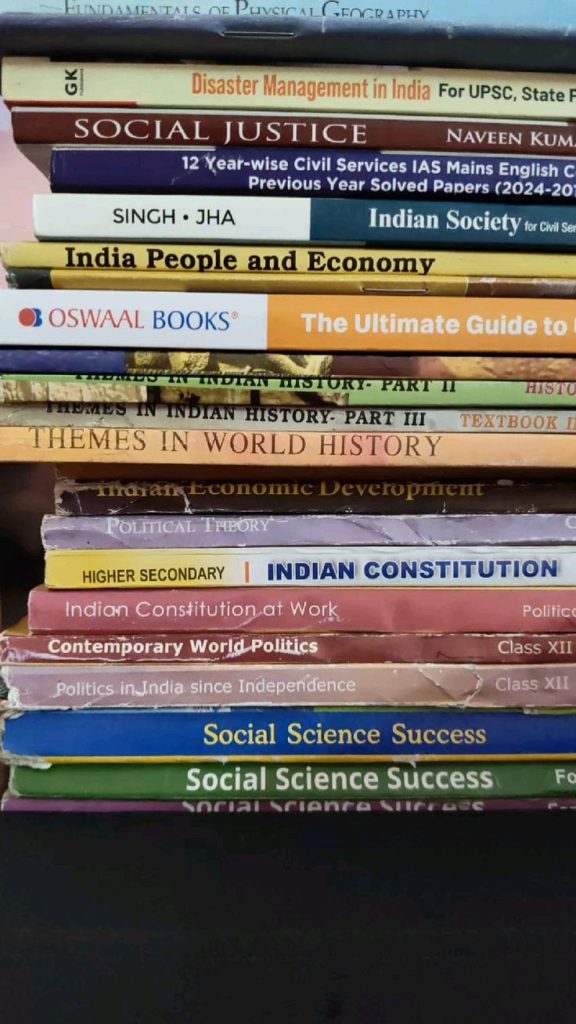
For beginners, start with NCERTs to build conceptual clarity. These books are simple, structured, and directly relevant. After that, move to standard reference books gradually.
Repeaters should resist the urge to change books repeatedly. If a source did not work earlier, analyze whether the issue was the book or the lack of revision. Online platforms, lectures, and current affairs resources should be used selectively. More material does not mean better preparation.
Role of Current Affairs in UPSC 2026
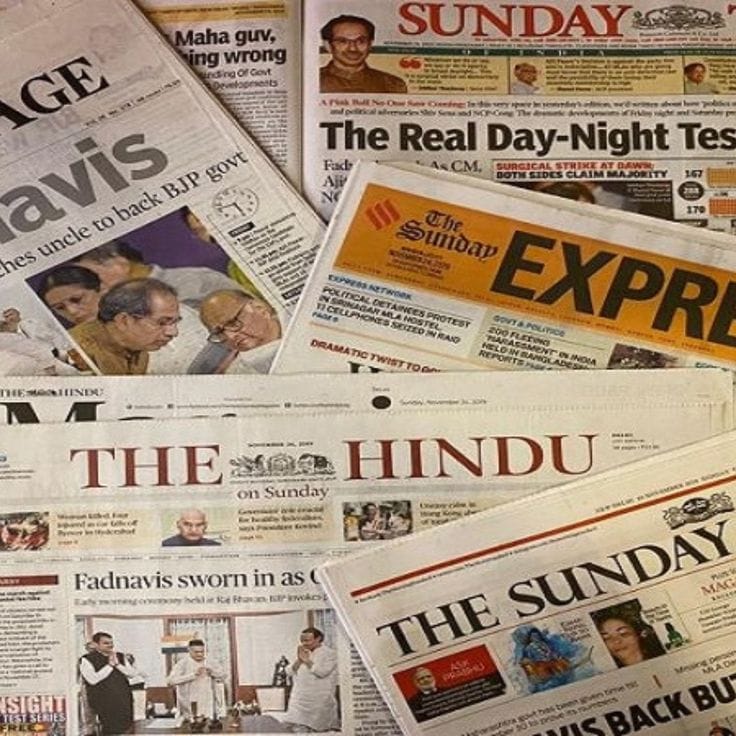
Current affairs are not a separate subject anymore. They are woven into every stage of the exam. In 2026, UPSC continues to test how well aspirants understand issues rather than events.
Instead of memorizing daily news, focus on understanding why something happened, its background, and its implications. One well-understood issue is more valuable than ten half-read articles.
Link current events with static subjects like polity, economy, geography, and ethics. This integration improves both Prelims elimination skills and Mains answers. Regular reading with reflection is enough. Obsessive note-making is not necessary.
Preparing for Prelims Without Fear
Prelims is often seen as unpredictable and stressful. While the nature of questions has changed, the basics still matter. Conceptual clarity is the biggest weapon for Prelims 2026. Guesswork alone will not help. Understanding options and eliminating incorrect ones is the key.
Practice mock tests, but do not let scores define your confidence. Mocks are tools for learning, not judgment. For repeaters, analyzing mistakes is more important than attempting more tests. For beginners, learning the art of elimination should be a priority.

Answer Writing for Mains: The Real Game Changer
Mains is where serious aspirants are separated from casual ones. In 2026, UPSC values clarity of thought, structure, and relevance. Answer writing is not about flowery language. It is about directly addressing the question. Small introductions, clear arguments, and balanced conclusions work best.
Beginners should start answer writing slowly after covering basic syllabus areas. Repeaters should practice with evaluation and improve presentation. Writing regularly builds confidence and speed. Avoid waiting for perfection before starting.
The Importance of Optional Subject Strategy
The optional subject remains a decisive factor in final selection. Choosing the right optional should be based on interest, background, and availability of guidance. In 2026, optional subjects still require depth. Casual preparation often leads to low scores.
Repeaters should honestly assess whether their optional is serving them well. Sometimes changing strategy is better than changing the subject. Consistent answer practice and syllabus completion are essential for optional success.
Mental Health and Motivation During Preparation
UPSC preparation can be emotionally demanding. Comparing yourself with others, fear of failure, and uncertainty are common experiences. In 2026, it is important to normalize breaks and rest. Taking care of mental health is not a weakness. It is a necessity.
Stay connected with supportive people. Avoid constant exposure to negative discussions and unrealistic success stories.mMotivation will fluctuate. Discipline and routine are more reliable companions.
Balancing Life and UPSC Preparation
UPSC should be a part of your life, not your entire identity. Maintaining hobbies, relationships, and physical health helps in long-term consistency.
Exercise, adequate sleep, and proper nutrition directly impact focus and retention. A balanced life keeps burnout away and helps you stay grounded during preparation.
Interview Preparation Begins Early
Although the interview comes at the end, preparation begins much earlier. Developing opinions, improving communication, and understanding personal background matters.
UPSC interview in 2026 continues to focus on personality, not knowledge alone. Reading thoughtfully, reflecting on experiences, and staying authentic builds confidence for this stage.
Common Mistakes to Avoid in UPSC 2026
Chasing too many sources, constantly changing strategy, and comparing progress with others are common traps. Ignoring revision is another major mistake. Retention comes from repetition.
Underestimating answer writing and overemphasizing passive reading can hurt Mains performance. UPSC rewards smart preparation, not chaotic hard work.
Final Thoughts on UPSC Preparation in 2026
UPSC preparation in 2026 demands realism, patience, and adaptability. There is no single perfect strategy that works for everyone. Beginners should focus on building strong fundamentals without rushing. Repeaters should refine their approach with honesty and clarity.
Success in UPSC is not about brilliance alone. It is about consistency, resilience, and learning from mistakes. If you stay disciplined, trust your process, and keep moving forward, the journey itself will shape you—regardless of the final result.
How many hours should one study daily for UPSC preparation in 2026?
There is no fixed number of hours that guarantees success in UPSC preparation in 2026. What matters more is the quality and consistency of study rather than the number of hours. For most aspirants, studying six to eight focused hours daily is sufficient if done regularly. Beginners may start with fewer hours and gradually increase as their capacity improves. Repeaters should focus on productive study rather than stretching hours unnecessarily. Studying for long hours without concentration often leads to burnout and poor retention, which is harmful in the long run.
How important are NCERT books for UPSC preparation in 2026?
NCERT books remain extremely important for UPSC preparation in 2026, especially for beginners. They help build basic conceptual clarity in subjects like history, geography, polity, economy, and science. Many UPSC questions are directly or indirectly linked to NCERT concepts. Ignoring them often leads to weak fundamentals, which affects both Prelims and Mains. Repeaters who skipped NCERTs earlier may benefit from revisiting them with a mature understanding. These books simplify complex ideas and create a strong base for advanced study.


