


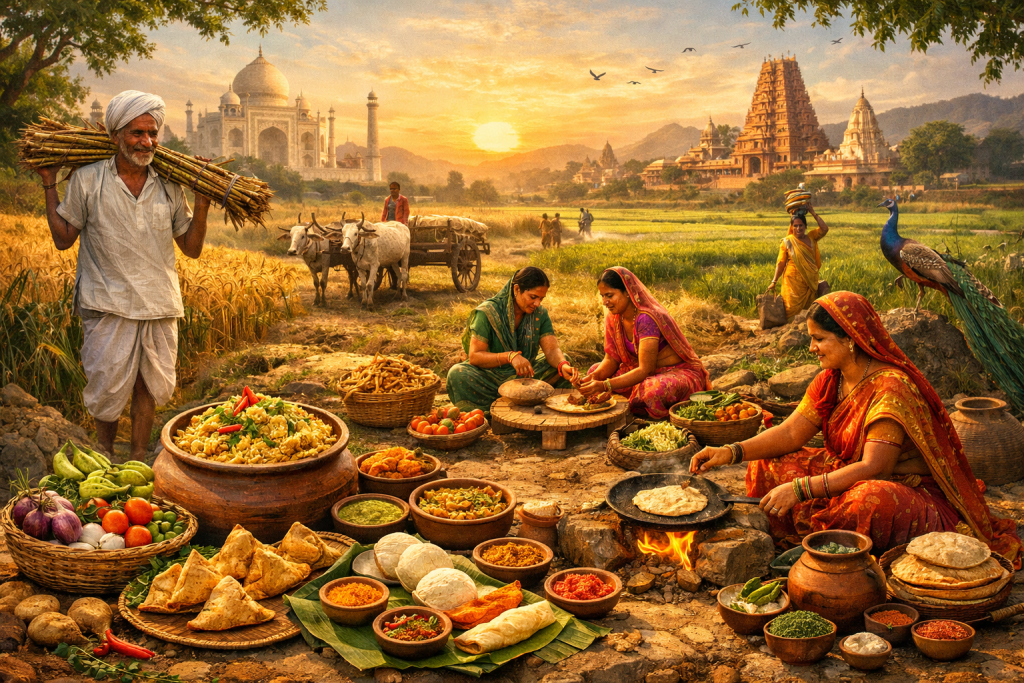
When we go on holiday or vacation, it is no longer just about reaching a destination; it is about truly experiencing the place. Travelers want to understand how people live, what they enjoy, and what daily life looks like. This desire for authenticity is what has led to the rise of the Eat Like a Local Travel Experience, where travel and food come together in a meaningful and organic way.
Food is now more than just a meal you have while travelling from one point to another. Food is now an integral part of the travel experience. A lot of today’s travellers are making plans based on the type of food they will have, rather than the type of sights they will be seeing. As a result, there is a growing trend toward “eat like a local” travel articles and stories in both India and around the world.
Table of Contents
The Meaning Behind “Eat Like a Local”
Eating like a local does not necessarily mean you have to find something fancy or expensive to eat. It’s about looking at what the locals eat daily and, while on your travels, eat those same items. For example, eating breakfast off of a side road stall, having a snack from a hectic market area and/or getting an authentic home-style meal from a small local restaurant.
When someone eats local food while travelling, they are no longer outsiders for the time being. They are gaining insight into the connection between habits, emotions and routines connected to food.
Food is an excellent indicator of where someone lives, and the Eat Like a Local Travel Experience allows travelers to understand a place beyond sightseeing. By visiting a restaurant or tasting locally prepared food, the Eat Like a Local Travel Experience reveals what a community is like, how people live, and how climate and culture shape their daily meals.
This is why food-oriented travel experiences tend to have a greater degree of intimacy because food connects us with one another.
Reasons for the Increase in Food-Based Travel
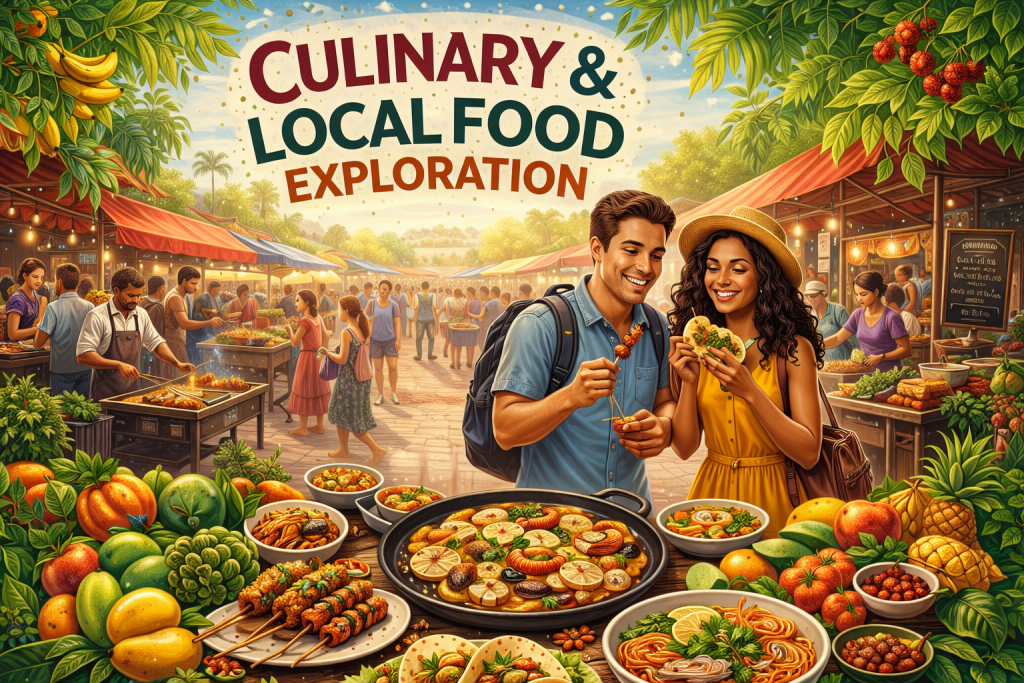
Food-oriented travel is experiencing tremendous growth due to the search of the traveler for authentic and meaningful connections within the destination to which they travel. This growing interest in cultural tourism highlights how local food experiences help travelers connect deeply with a destination.
Social media has played a significant role in driving this growth by highlighting the Eat Like a Local Travel Experience. Short videos showing street vendors, local snacks, and market strolls offer a glimpse into the “real” world of local culture, making the Eat Like a Local Travel Experience feel relatable and achievable. Viewers connect with these foods because they believe they could recreate the same dishes, and this growing curiosity often inspires future travel plans.
A shift in mindset has also contributed to the increasing frequency of food-oriented travel. Today’s travelers do not want to experience food that is found in restaurants designed for tourists; they are seeking authentic, locally prepared cuisine. As a result, local cuisine offers a sense of discovery when eating locally prepared food.
Another factor to consider is budget. Local food tends to be inexpensive and filling, allowing travelers to experience a greater level of comfort and less stress while traveling.
India’s Strong Connection with Local Food
In India, food plays a tremendous role in the daily lives of its people. Each region of India has a distinct flavour profile, method of preparation and style of serving its food. The flavor of the same dish varies greatly between regions, or states, depending on where one eats.
Food throughout North India can be extremely comforting, with a variety of popular dishes such as Rajma Chawal, Chole Bhature, or anything else that would typically be found in most homes each day.
In South India, Food is often seen as simple, but it is also extremely balanced. Breakfast items such as Idli, dosa, or a variety of other breakfast foods are traditional daily breakfasts. Local restaurants prepare meals in accordance with the local climate.
In the East of India, food is focused on freshness and simplicity. Most people eat Rice and local vegetables, and people typically eat meals that match the seasons.
On the other hand, the food of Western India often includes street snacks as part of daily routines, making it a perfect example of the Eat Like a Local Travel Experience. People grab quick bites while traveling to and from their jobs, and for many, stopping to enjoy a snack or two each day reflects the Eat Like a Local Travel Experience that defines everyday urban life in the region.
All these food habits make local food exploration in India extremely rich and diverse.
Street Food Where Real Experiences Begin
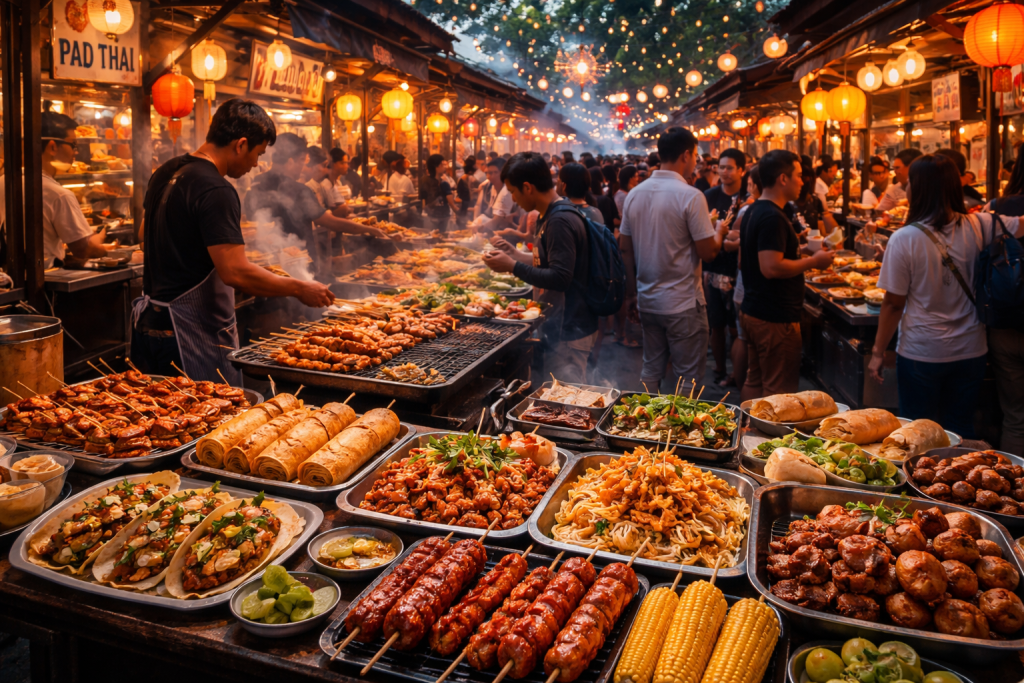
The street food experience shows what is happening within the intricate web of the daily life of people within each city. Usually vendors cook food quickly, customers eat standing or walking and everything feels alive.
Street food is special because:
• It reflects local taste and creativity
• It is prepared fresh and served fast
• It brings people together, regardless of background
Many travellers remember moments like waiting in line, watching food being cooked or sharing space with locals more than they remember the food itself. These small experiences create strong memories.
Ofcourse, travelers should be mindful. Choosing clean and crowded stalls, observing hygiene and trusting local advice helps in enjoying street food safely.
Grocery Tourism: A Quiet but Powerful Experience
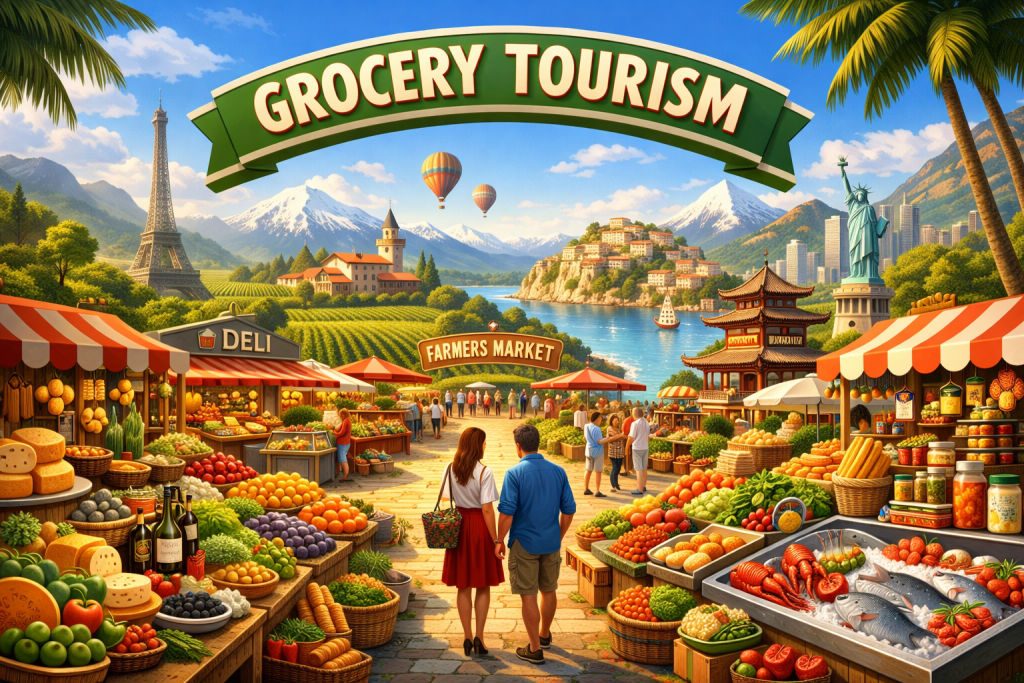
One of the most exciting growing trends, associated with culinary tourism, is grocery tourism.
Travelers explore local markets and grocery stores to gain insight into the daily culinary lives of the locals.
As you walk through the market, you can see what people buy and what they cook at home. Seasonal fruits, local vegetables, regional snacks, and cooking ingredients convey valuable information about a lifestyle and culture.
Grocery stores offer the best places to get edible souvenirs. Local snacks, spices, or prepared foods carry back a taste of the place.
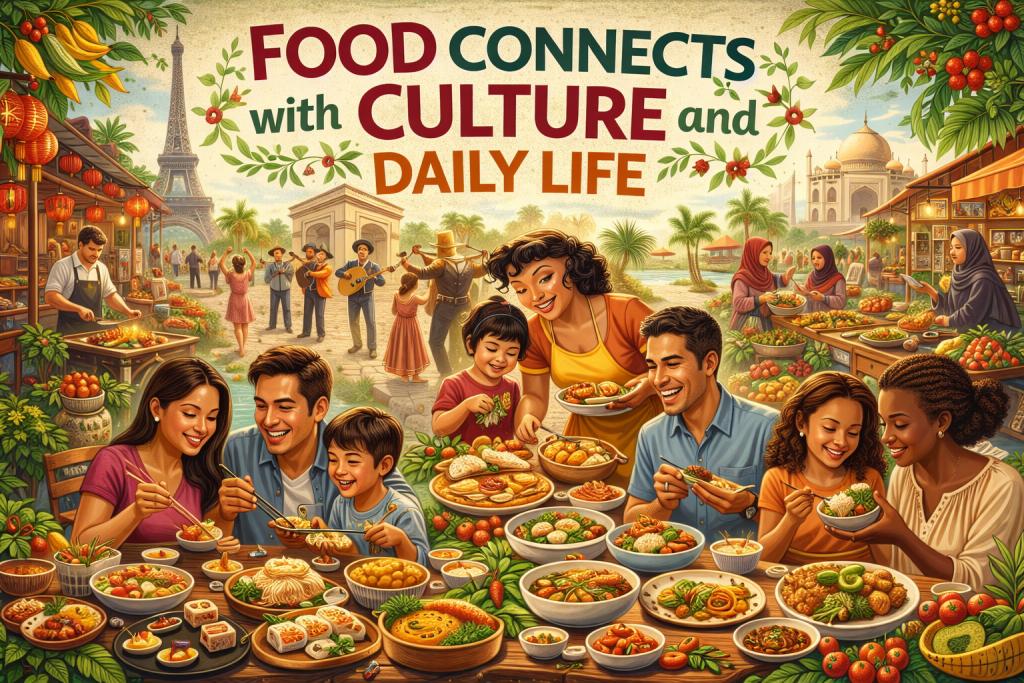
How Food connects with Culture and Daily life
Climate determines dietary options, while festivals determine special dishes. Certain foods find themselves on the table day by day, while others flourish during celebrations.
Traveling to the places where these foods come from is far more than just flavor, but added layers of history and culture experience in the way of glory.Some foods are eaten daily, while others are luxuries pulled out of the cupboard only during celebrations.These travelers are presented with more than food. This is a participation in traditions that have existed for years. And that is why, perhaps, food is so much more than fun for travel; it’s become emotionally moving.
The Emotional side of Eating Local Food
Travelers often forget hotel meals, but they remember:
• A cup of tea at a roadside stall
• A snack shared with a stranger
• A simple meal after a long day of travel
These little moments are heartwarming and personal. Food then becomes less a service and more an experience shared between two people.
Simple Ways to Eat Like a Local While Traveling
Eating local is not rocket science; I mean to say you don’t need any expert planning. Small gestures tell big stories:
• Ask the locals where they usually eat.
• Look for places with a crowd at lunchtime.
• Try dishes in small portions.
• Be patient and open-minded.
• Respect local customs for food.
These practices enable the travelers to eat truly and wholeheartedly.
Why This Trend Is Global, Not Local
This trend toward local food options is a global phenomenon, not just a regional development. More and more globe-trotters are turning to local bakeries, markets and homestyle meals instead of dining in luxury restaurants. They want a personal touch rather than perfection.
And when it comes to developing that feeling of connecting through food or a culinary experience, there is no other way to achieve such connections as effectively.The increase in culinary and local food exploration has also become one of the fastest-growing segments of modern-day travel.
Conclusion
The relationship between food and travel goes beyond just taste; rather it is about our innate human nature to seek out curiosity and share emotions with one another. Food can take us deeper into places than guide books or maps can, opening up a world of people to whom we might not have otherwise become exposed to, the customs and everyday life of those people.
Eating like a local is simple, honest, and incredibly fulfilling. Eating local foods can include everything from eating street food to shopping at farmers’ markets. All of these different food experience add layers to each individual trip.
1. What does the term “Eat Like a Local” mean in travel?
To “Eat Like A Local” means you will be selecting local foods to eat as locals do rather than only consuming from a restaurant catering to tourists. You will include items such as simple meals cooked at home, small family run restaurants, and street vendor items. This will allow you to gain a much better understanding of a place’s culture and way of life, in addition to creating a more personal connection to that culture.
2. Is it safe for travelers to eat local foods?
If a traveler is careful, eating local foods will be safe most of the time. Travelers should select busy food vendors, check for cleanliness and practice basic hygiene to minimize their risk of foodborne illness when trying new local foods. In addition, many local foods are prepared fresh and eaten every day by locals; therefore, they can be trusted if chosen appropriately.
3. What is the value of street foods in local food exploration?
Street foods are an example of how food is integrated into a local lifestyle. Street food is typically affordable, quick, and representative of the local cuisines. By trying street foods, travelers will have an opportunity to experience a location beyond restaurants by interacting with local vendors in their regular daily lives.
4. What is Grocery Tourism, and why is it gaining popularity?
Grocery Tourism is the act of visiting grocery stores and farmers markets when traveling and allows travelers to see what ingredients people use to prepare their meals at home, as well as snack foods that are popular in a region.
5. How do food options allow travelers to connect with the cultures that they visit?
Food reflects traditions, climate, and history. Festival dishes, seasonal meals, and everyday food choices all tell cultural stories. When travelers eat local food, they take part in these traditions, even if only for a short time, which creates a stronger emotional connection.
6. Is food-focused travel suitable for budget travelers?
Yes, food-based travel is very budget-friendly. Local food is usually affordable and filling. Travelers can enjoy authentic meals without spending too much money, making it ideal for students, solo travelers, and long-term travelers.
7. Why has culinary tourism become so popular with travelers around the globe?
More and more travelers want to experience meaningful travel experiences instead of just paying for luxury. Many people want to learn something new, establish connections and have fun doing it while they immerse themselves in learning about how to cook different types of cuisine from around the world. One way to create a stronger emotional connection with a location and its culture is to sample the local cuisine. Therefore culinary tourism will continue to grow in popularity among travelers everywhere.


