


The cost effective food business model which is increasingly growing among new entrepreneurs is Cloud kitchen . As the food businesses grew people got creative and innovative and started serving food without offering the dining services which cut their cost so much that they can later add to serve even better quality products. This turned out to be a great change in the food industry due to which many started their businesses in this mode .
As some say it is a great idea for their feasibility and fast setup which makes them more efficient and productive while some have other sayings likewise it controls their market value as they are heavily dependent on food delivery apps and it becomes harder to make brand loyalty.
If you are someone who is keen to open a cloud kitchen here are some pros and cons you need to know before starting one. And how exactly it is different from traditional restaurants .
Table of Contents
What is a cloud kitchen ?
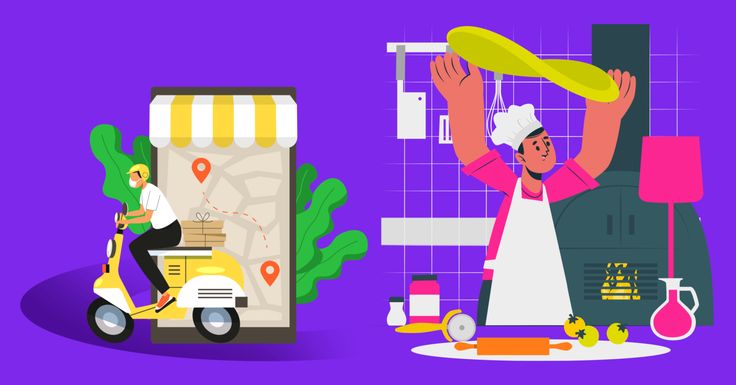
Cloud kitchen is basically when someone starts to serve food via online food delivering apps without offering the dine-in services . Many think this business model is more profitable than traditional restaurants as it does not need unnecessary cost for expensive dine-in areas and requires fewer staff with less utility bills .
While some people have different opinions about it . They refer to it as No brand value kitchen as due to lack of customer interaction which does not help them build loyal customers also while cutting cost on dinning they have to ensure that the food quality stays fresh and good which creates more pressure than the old traditional restaurants.
While their are several debates under this topic , often customers are seen prioritizing these kitchen over the restaurants due to higher quality of food . This model has become especially prevalent in urban markets and is increasingly being adopted in tier-2 and tier-3 cities due to changing dining habits and the growing popularity of online food delivery apps .
Is cloud kitchen relevant in 2026 ?
Before going to the pros and cons we need to understand the relevance and the market value in food industry this kitchen holds.
Growing Food Delivery Market
The global online food delivery market continues to expand, driven by consumer preference for home-delivered meals — especially among younger generations who value convenience and variety. Delivery frequency and reliance on food apps have only increased since the early 2020s. These led to rapid increase in these kitchens also becoming a source for their popularity online .
Untapped Markets in Smaller Cities
While major metro areas have many established cloud kitchens, tier-2 and tier-3 cities still offer relatively untapped demand due to improving logistics infrastructure and rising internet penetration. This makes 2026 a strategic year for expansion outside big cities. Which increases its relevance and makes it a trending opportunity for many young entrepreneurs with big dreams.
Tech Integration and Data Insights
Technology now plays a central role in ordering, delivery management, inventory, and customer preferences. Cloud kitchens can use data analytics to optimize menus, pricing, and marketing strategies — something that was much harder a decade ago . Which is the core difference between them and traditional restaurants.
7 Advantages of cloud kitchen
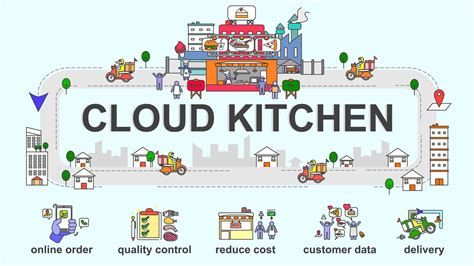
- Cheaper to Start and Run – A cloud kitchen spares you the price of a busy high street site, expensive décor, tables, chairs and a large front-of-house team. You pay chiefly for stoves, pots, ingredients and the people who cook. Because of that, founders need far less cash up front plus carry far smaller financial risk.
- Fewer Wages to Pay– With no dining room you hire only kitchen staff – chefs, cooks, helpers. You do not pay waiters, hosts or a nightly cleaning crew – the monthly wage bill drops sharply.
- Easy to Change and Grow– You can add a new cuisine, swap dishes or spin up a second brand from the same stove with almost no fuss. A bricks-and-mortar place locks its menu to the sign above the door – a virtual kitchen does not. You may also open extra kitchen hubs in new suburbs without buying another full restaurant – growth costs little.
- Serve the Whole City, Not Just the Sidewalk – A regular restaurant needs walk-ins – a cloud kitchen needs only a delivery rider willing to travel. If a courier reaches the postcode, the customer can order, even if your pots are simmering miles away.
- Put Every Minute into the Plate– No tables to clear, no music to choose, no lighting to dim – owners spend every moment on reliable recipes and fast hand off to couriers. The kitchen layout is built for speed but also repeatability, not for mood.
- Let the Numbers Guide You– Each online order leaves a trail – what sold, when it sold, who came back, which dish they loved. Study those figures and you will know what to cook next, when to staff up and which offer to e-mail.
- Marketing Can Cost Less – While brand building still demands effort, you do not need a glowing storefront or a stack of printed flyers. A sharp menu photo, a few well placed ads as well as steady five star reviews on delivery apps often do the job.
6 disadvantages of cloud kitchen
- 1. Heavy Dependence on Delivery Platforms Most cloud kitchens rely on food delivery apps for visibility and orders. These platforms charge high commissions, which directly reduce profit margins. Over time, dependency on aggregators can feel risky, especially when algorithm changes affect visibility. Building direct ordering channels is possible, but it takes time and consistent marketing.
- 2. Intense Competition The low entry barrier means many cloud kitchens offer similar food at similar prices. Standing out becomes difficult. Customers often switch brands easily based on discounts or delivery time rather than loyalty . Without a strong brand identity, a cloud kitchen can quickly get lost in the crowd.
- 3. No Physical Brand Presence Since customers never visit the kitchen, trust must be built entirely online. There is no ambience, no personal interaction, and no visual reassurance. Reviews, ratings, and packaging become the only touchpoints. One bad experience or poor review can have a long-lasting impact.
- 4. Delivery-Related Problems Even if the food quality is excellent, delays or mishandling during delivery can ruin the customer experience. Spilled food, cold meals, or late arrivals often result in negative reviews, even when the issue was not entirely the kitchen’s fault. This lack of control over the final stage of service is a major challenge.
- 5. Thin Profit Margins After accounting for platform commissions, packaging costs, discounts, staff salaries, and raw materials, profits can be surprisingly low. Many cloud kitchens take months to break even. Without proper financial planning, the business may struggle to survive despite good order volumes.
- 6. Technology Dependence Cloud kitchens rely heavily on technology. Order management systems, POS software, and internet connectivity must work smoothly. Technical issues can disrupt operations instantly and lead to lost orders .
What You Should Think About Before Starting in 2026
Before starting a cloud kitchen, it is important to ask practical questions rather than chasing trends.
Is there enough demand in your target area?
Can your food survive delivery without losing quality?
Do you have a clear niche or unique selling point?
Are you prepared for slow growth in the initial months?
Choosing the right location for delivery efficiency, investing in good packaging, building a brand voice on social media, and gradually reducing dependence on aggregators can make a real difference.
Conclusion
Cloud kitchens are neither a guaranteed success nor a passing trend. In 2026, they remain a powerful business model for those who understand both their strengths and limitations. They offer affordability, flexibility, and scalability, but also demand smart planning, patience, and constant adaptation.
Success in a cloud kitchen does not come from just good food. It comes from understanding customers, managing costs carefully, building trust digitally, and staying consistent even when growth feels slow.
If approached thoughtfully, a cloud kitchen can be a rewarding venture. If rushed into blindly, it can become an expensive lesson.
The choice, as always, lies in preparation.
What are the major challenges faced by cloud kitchens?
Major challenges faced by them include heavy dependence on food delivery platforms, which charge high commissions and control visibility. Intense competition makes it difficult to stand out and build brand loyalty. The absence of a physical presence limits customer trust and direct engagement. Delivery-related issues like delays, spillage, or cold food can harm reputation even if food quality is good. Additionally, thin profit margins, rising packaging costs, and complete reliance on technology make cloud kitchens financially and operationally challenging to sustain.
Why are cloud kitchens attractive to first-time entrepreneurs?
Cloud kitchens are attractive to first-time entrepreneurs because they require low initial investment and carry less financial risk compared to traditional restaurants. There is no need for expensive interiors, large staff, or prime locations, which makes entry easier. They also allow beginners to experiment with menus and concepts, learn from real-time customer data, and scale gradually. Overall, cloud kitchens offer a flexible, manageable, and cost-effective way to start a food business.
Why are profit margins often thin in cloud kitchens?
Profit margins are often thin in cloud kitchens because a large portion of revenue goes to delivery platform commissions, which can be quite high. In addition, costs such as packaging, discounts and promotions, raw materials, staff salaries, and kitchen rent add up quickly. Intense competition also forces cloud kitchens to keep prices low, leaving limited room for profit despite high order volumes.
Why are cloud kitchens also called ghost kitchens or virtual kitchens?
They are also called ghost kitchens or virtual kitchens because they have no physical presence for customers. There is no dine-in space, storefront, or visible restaurant; the kitchen operates “in the background,” much like a ghost. All orders are placed online, and the brand exists mainly on digital food delivery platforms, making it a virtual restaurant rather than a traditional one.


