

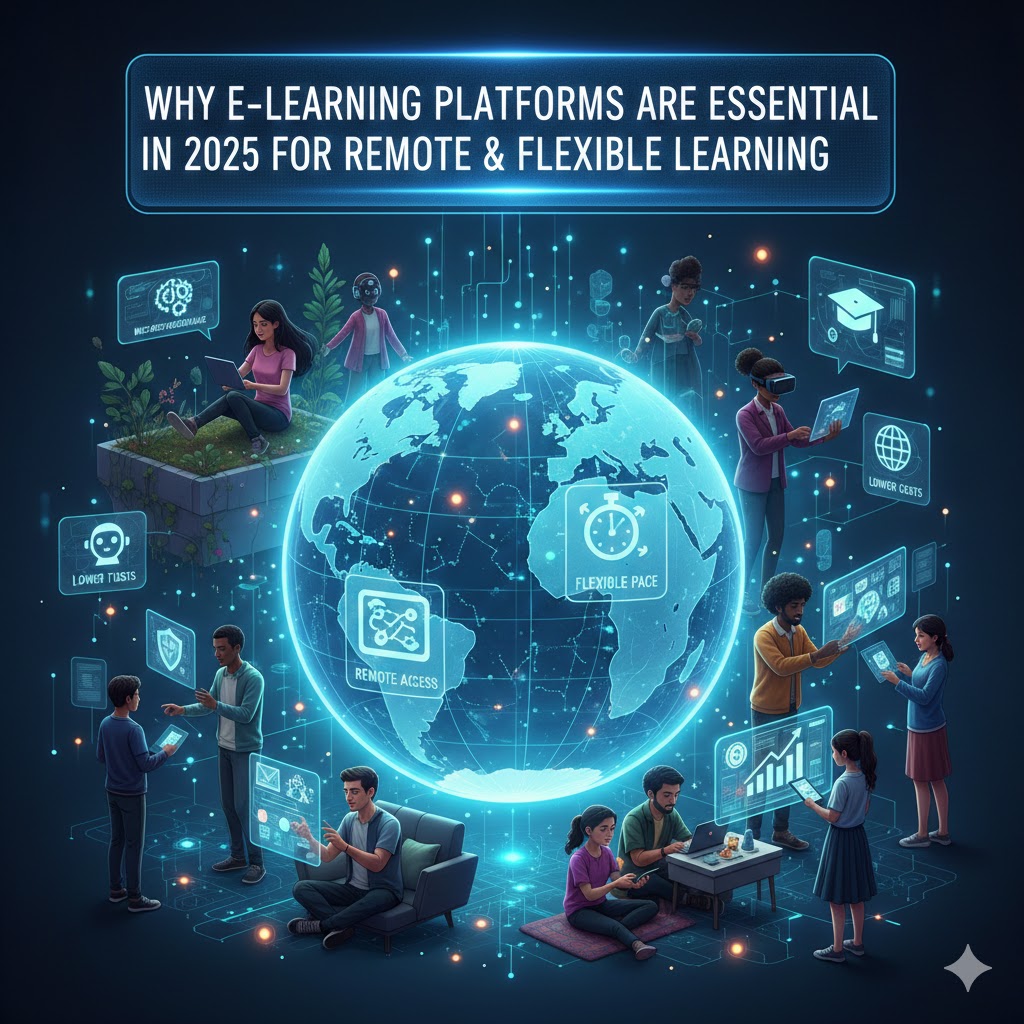
WHY E-LEARNING PLATFORMS ARE ESSENTIAL IN 2025 FOR REMOTE & FLEXIBLE LEARNING aren’t just a nice extra. They’re essential. The way we work and learn is constantly evolving, and people are seeking more than the traditional classroom setup. They want flexibility, real skills, and stuff they can access whenever and wherever they need it. Traditional education can’t always keep up, but digital platforms fill that gap.
Think about it: remote jobs, hybrid roles, teams scattered across the world. E-learning lets you pick up new skills on your own schedule, whether you’re a student trying to break into a career or a professional who needs to upskill fast. You get personalised learning paths, virtual classrooms, and even AI tools that actually make things stick. And it’s not just schools—businesses depend on these platforms to keep their teams sharp and ready for whatever comes next. Why e-learning platforms are essential in 2025 for remote & flexible learning.
Now that more people have internet access and mobile learning is everywhere, there’s really no going back. E-learning isn’t just part of the system anymore—it is the system. This matters for education, for jobs, and for anyone who’s serious about learning something new and staying ahead.
Introduction
Let’s be real—by 2025, e-learning platforms aren’t just a cool option. They’re essential. The old classroom model? It can no longer keep up. People want to learn on their own terms, whether that means late at night from their couch or during a lunch break halfway across the world. WHY E-LEARNING PLATFORMS ARE ESSENTIAL IN 2025 FOR REMOTE & FLEXIBLE LEARNING is no longer just an educational trend. Schedules are crazier, jobs are more flexible, and nobody wants to be limited by a classroom wall. With remote work, gig jobs, and teams spread all over the globe, education needs to move just as fast. That’s where e-learning platforms come in. They make it easy to pick up new skills, learn whenever you want, and actually keep up with the pace of modern life—without draining your wallet.
WHY E-LEARNING PLATFORMS ARE ESSENTIAL IN 2025 FOR REMOTE EDUCATION
Remote learning solutions have completely changed how we share knowledge. Now, e-learning platforms break down those old geographical walls, so students everywhere can tap into great education. That’s really the heart of why e-learning platforms are essential in 2025 for remote & flexible learning so much in 2025, especially for people juggling work or those learning from a distance.
These platforms support (virtual classrooms), (interactive video lessons), and (cloud-based learning systems). Learning doesn’t really stop. And here’s the thing: unlike regular schools, online platforms keep everything open 24/7. If you want to go back and review something, you just can.
Technology Driving the Growth of E-Learning
AI-powered learning tools, LMS platforms, and mobile apps are changing the way people learn online. With personalised dashboards, instant feedback, and automated quizzes, students get more involved and actually learn better. These upgrades aren’t just cool features—they’re driving digital education forward all over the world.
Flexibility: The Core Advantage of E-Learning Platforms
Flexibility really sets e-learning platforms apart, especially in 2025 when remote and flexible learning matter more than ever. People can fit their studies around busy lives—work, family, all the daily chaos—because they pick the time and way that works for them. The strongest reasons WHY E-LEARNING PLATFORMS ARE ESSENTIAL IN 2025 FOR REMOTE & FLEXIBLE LEARNING.
Self-paced learning and on-demand courses let users move at their own speed. This approach helps people actually maintain a work-life balance, which everyone’s chasing these days.
Cost-Effective & Scalable Learning Solutions
Traditional education can get expensive fast—think buildings, travel, supplies. E-learning cuts those costs down. Schools and companies use online training Programs and corporate e-learning platforms to teach huge groups all at once.
That kind of savings makes e-learning platforms a must in 2025, especially for anyone looking for remote or flexible ways to learn, whether it’s in a classroom or on the job. This cost efficiency further proves why e-learning platforms are essential in 2025 for remote & flexible learning.
Role of E-Learning in Career Growth & Upskilling
In 2025, it’s your skills that really count—not just your degree. E-learning platforms are packed with online certification courses, skill-based learning programs, and industry-relevant training. People jump on these to keep up and stay sharp, especially since jobs keep changing fast.
Employers want folks who actually know the latest stuff, so upskilling and reskilling matter a lot. With digital learning, you can keep growing your skills without hitting pause on your career.
E-Learning for Students & Lifelong Learners
Students get a lot out of interactive learning content, games, and hands-on virtual labs. People who never stop learning jump onto e-learning platforms, gamified education to dive into new topics, or even switch careers. That kind of flexibility is exactly WHY E-LEARNING PLATFORMS ARE ESSENTIAL IN 2025 FOR REMOTE & FLEXIBLE LEARNING, especially when everyone needs remote and flexible ways to learn—no matter their age.
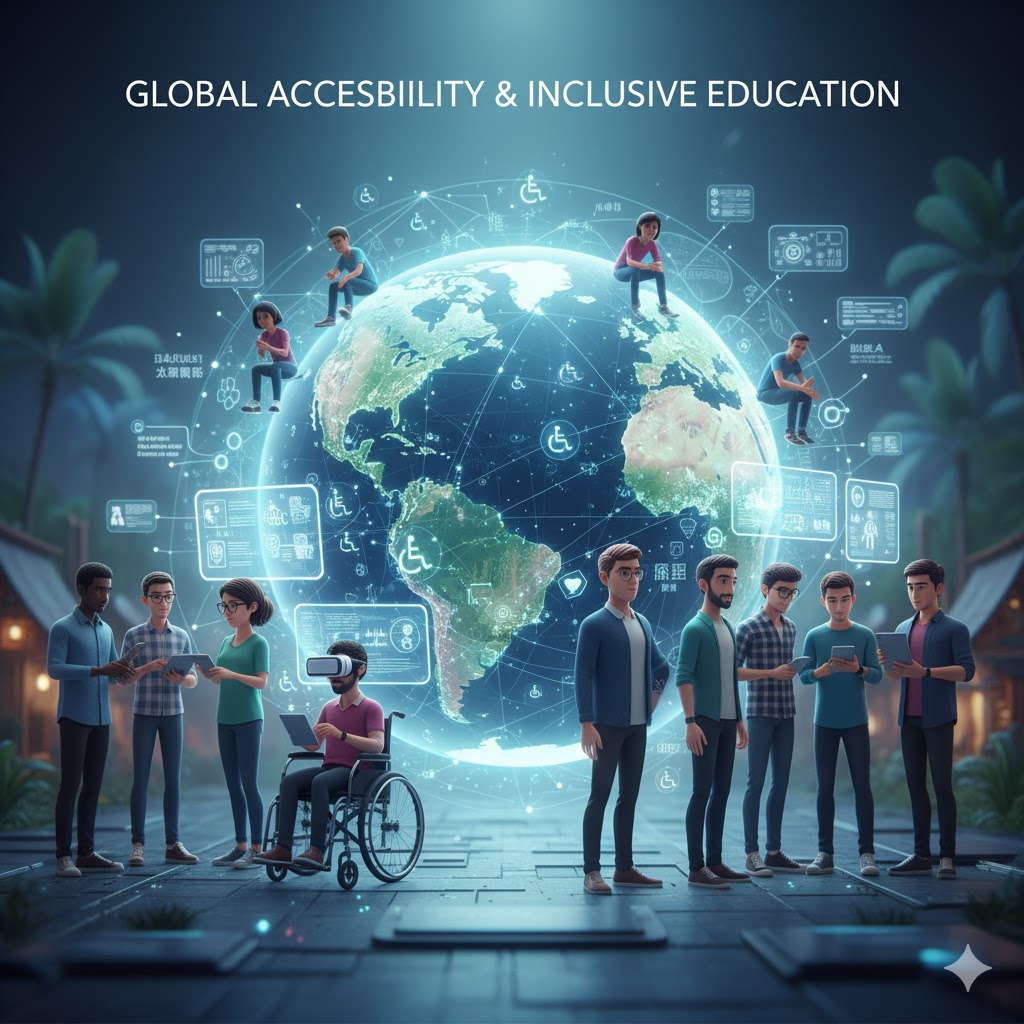
Global Accessibility & Inclusive Education
Corporate Adoption of E-Learning Platforms
These days, companies turn to corporate e-learning solutions to get employees up to speed fast. Remote onboarding, compliance courses, even leadership training—it’s all online now. Honestly, if you want your team to grow and adapt in 2025, you need e-learning platforms. They’re the key to making remote and flexible learning work for any organisation. This trend highlights why e-learning platforms are essential in 2025 for remote & flexible learning.
AI, Data & Personalisation in E-Learning

AI watches how you learn and tweaks the content just for you. With adaptive learning paths and smart recommendations, people actually stick with it and do better. Plus, it just makes the whole process more interesting and less of a slog.
Challenges & Future Scope of E-Learning

Sure, digital fatigue and spotty internet are real problems. But people keep coming up with new solutions. Hybrid learning and immersive tech—think AR and VR Learning—aren’t just buzzwords; they’re where education’s headed.
Digital Divide & Internet Accessibility Challenges
E-learning sounds like it should open doors for everyone, but the digital divide keeps getting in the way. Lots of people still don’t have steady internet or the right devices, especially in rural places or areas that just don’t get enough support. Online education platforms can only go so far when so many learners are stuck with spotty connections or expensive data. If we want everyone to really have a fair shot at online learning, governments and institutions need to step up and put real effort into building up digital infrastructure. That’s the only way to make e-learning work for everyone.
Learner Engagement & Digital Fatigue
Keeping learners engaged is tough for e-learning platforms. Staring at a screen for hours wears people out and zaps their motivation. Plus, without real-life interaction, it’s easy to feel alone. To tackle this, platforms now use things like gamified learning, interactive quizzes, and tools that let people work together. All of this helps learners stay interested and actually take part. Continuous screen exposure often leads to digital fatigue, reducing motivation and focus.
Quality Control & Content Standardisation
Online learning platforms are everywhere now, but let’s be honest—not all of them deliver on quality. Some courses just don’t stack up to what you’d expect from a real academic program or industry training, and that chips away at people’s trust. To really make digital education work for the long haul, you need proper content accreditation, instructors who know their stuff, and courses that actually stay up to date.
Future Scope: AI, AR & Immersive Learning
E-learning isn’t perfect, but it’s going places. AI-driven tools, adaptive lessons, and AR or VR classrooms are shaking up how we learn online. They make it easier to tailor education to each person and build real skills. That’s why, heading into 2025, e-learning platforms matter so much—they’re key for anyone who wants to learn remotely or on their own schedule. Technologies like AI-powered learning systems, adaptive learning paths, and AR/VR-based education will redefine digital learning experiences.
Conclusion
In conclusion, WHY E-LEARNING PLATFORMS ARE ESSENTIAL IN 2025 FOR REMOTE & FLEXIBLE LEARNING – They just fit the way people want to learn and work now—whether you’re a student, a professional, or running an organisation. You get flexibility, you can access courses from anywhere, and honestly, it saves money. People keep learning and building new skills, which is pretty much essential these days. Sure, there are headaches like digital burnout and not everyone having the same tech access, but new tools—AI, mobile apps, and immersive stuff—keep making online learning stronger. With remote work and digital everything taking over, e-learning isn’t going anywhere. It’s a big part of how we learn and grow at work now, and that’s not changing anytime soon.


