

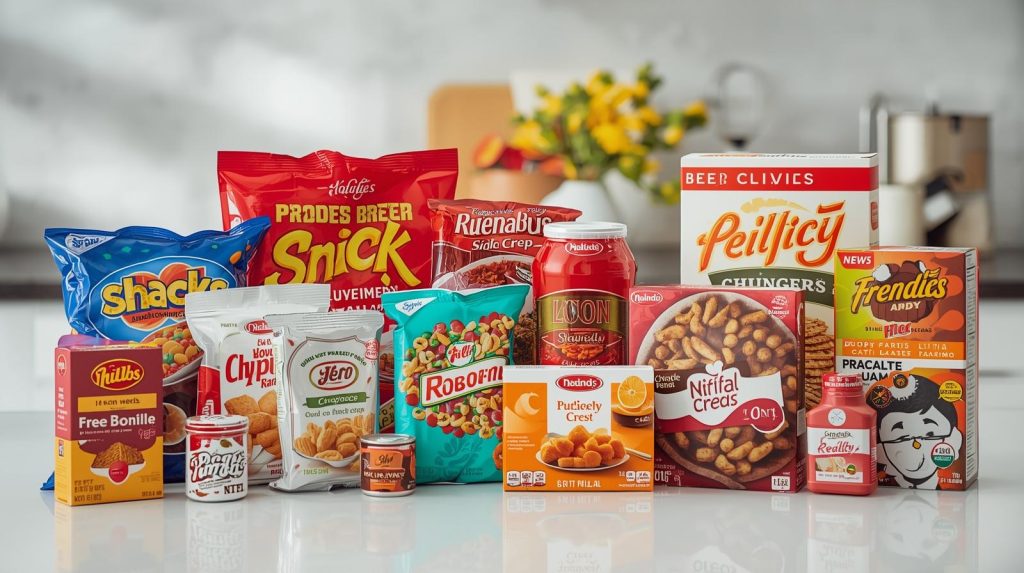
Ultra-processed foods in 2025 are everywhere—stacked on grocery shelves, packed into lunchboxes, and honestly, hard to avoid in modern lifestyles. The concern with ultra-processed foods in 2025 goes far beyond gaining a little weight; they are strongly linked to obesity, diabetes, heart disease, and chronic inflammation—health problems that accumulate over time. Research also suggests that frequent consumption of ultra-processed foods in 2025 can negatively affect mental health and overall well-being.
Common examples of ultra-processed foods in 2025 include prepackaged whole-grain breads, many flavored yogurts, instant oatmeal, and jarred pasta sauces. Due to their high levels of additives, preservatives, and refined ingredients, ultra-processed foods in 2025 pose serious health risks such as gut damage, hormonal imbalance, inflammation, and long-term metabolic disorders.
Modern life makes it easy to grab whatever’s fast, but it’s worth taking a closer look at what these foods are doing to your body & why ultra-processed foods are bad for your health.Processed foods are suggested to contribute to the obesity epidemic and the rising prevalence of chronic diseases like heart disease and diabetes. You’ll get real tips for choosing better options, so you can take back control of your health—one meal at a time. This detailed 2025 guide explains the hidden health risks of ultra-processed foods in 2025.
Introduction
Early in 2025, health experts worldwide began sounding the alarm about the growing addiction to ultra-processed foods in 2025 and the impact it is having on our health. Walk through any grocery store, and these foods are everywhere. Sure, they’re easy, and they last forever, but that convenience comes at a price. We’re not talking about meals made from real, whole ingredients. These are products packed with refined stuff, chemicals, artificial flavours, and preservatives. They might seem harmless, but eating them all the time is driving up rates of lifestyle diseases. It’s clear now: ultra-processed foods aren’t just another option on the menu.
They’re a quiet but serious threat to your energy, your immune system, and how long you live. It is important to recognise that Ultra-Processed Foods in 2025.
What Are Ultra-Processed Foods?
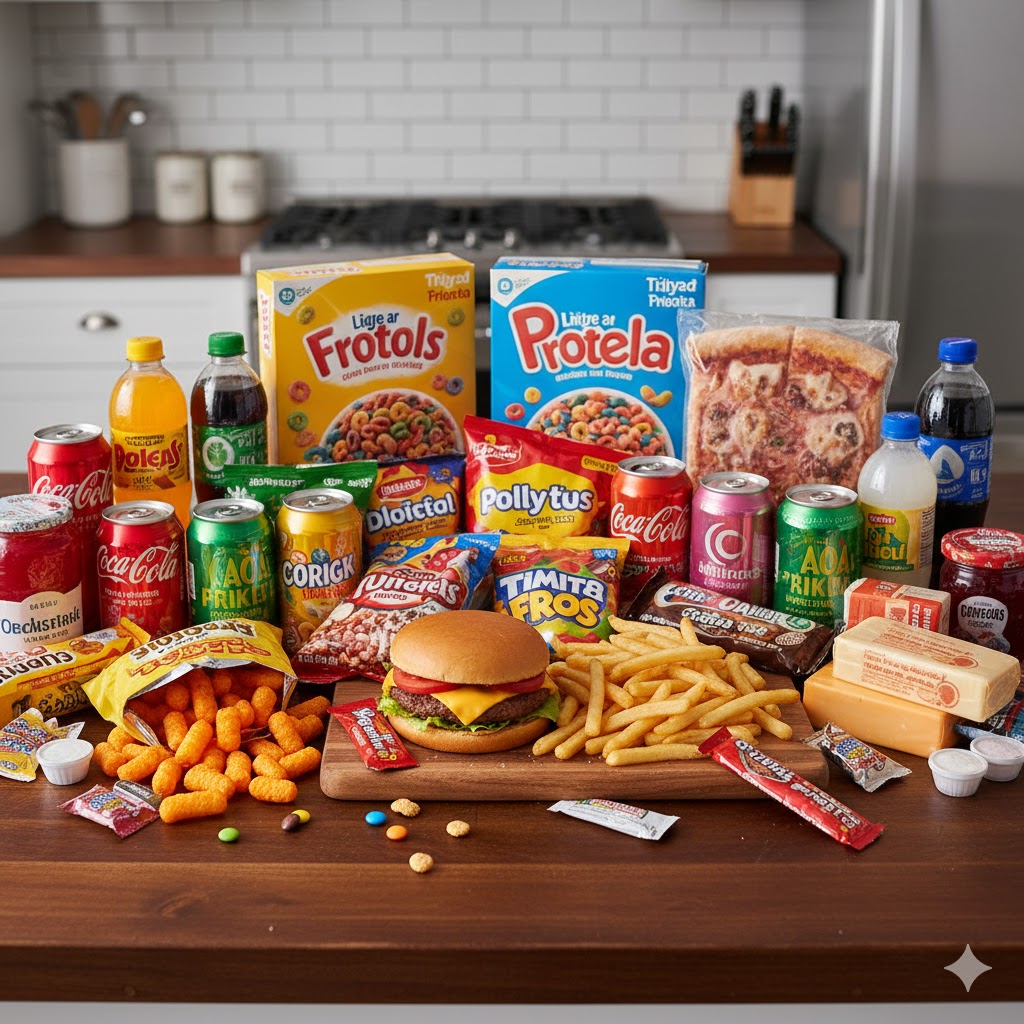
Ultra-processed foods in 2025 undergo numerous industrial steps and contain ingredients that you probably wouldn’t find in your own kitchen. Think packaged chips, sugary cereals, instant noodles, processed meats like nuggets or sausages, and all those sodas and energy drinks lining the shelves.
They’re made to taste amazing, cost next to nothing, and keep you coming back for more. The thing is, they often push aside real, whole foods that used to make up most people’s diets. These are industrial formulations, typically with 5 or more and usually many.
Ultra-Processed Foods in 2025: Hidden Health Risks You Must Know
People are worried about ultra-processed foods in 2025, and honestly, it makes sense. They’re linked to all kinds of chronic and metabolic problems. These aren’t like simple, minimally processed foods. Ultra-processed stuff messes with your body’s natural balance, and if you keep eating it, the effects just pile up.UPFs often contain higher levels of sugar, salt, and saturated fat s contributes to cardiovascular disease, cancer, and obesity.
1. Obesity and Metabolic imbalance
Ultra-processed foods pack in a ton of calories, but honestly, there’s not much nutrition there. All that sugar and refined carbs? They send your insulin through the roof, push your body to store more fat, and end up slowing down your metabolism. Obesity is commonly associated with many other metabolic disorders.
2. Blood Sugar Imbalance and Diabetes Risk
Eating a lot of ultra-processed foods & refined sugar has a health impact on insulin resistance—and that’s a main driver behind type 2 diabetes. Thirst and frequent urination are two classic diabetes signs caused by too much sugar in your blood. Processed food and diabetes have a strong connection.
3. Cardiovascular Health Risks
A lot of these foods are loaded with sodium, trans fats, and all sorts of emulsifiers. They push your cholesterol and blood pressure way up. It’s not great for your heart, honestly. The most important behavioural risk factors of heart disease and stroke are unhealthy diet, physical inactivity, and tobacco use. Processed food and heart disease risk increase due to excess sodium, trans fats, and preservatives.
How Ultra-Processed Foods Damage Gut Health
Your gut loves fibre-rich, natural foods. When you load up on ultra-processed stuff, you end up starving the good bacteria and stirring up inflammation. Artificial sweeteners and preservatives? They do a number on your gut lining—think more bloating, lousy digestion, and a weaker immune system. Ultra-processed foods (UPFs) epidemiological studies indicate an increased risk of gut diseases, including inflammatory bowel disease.
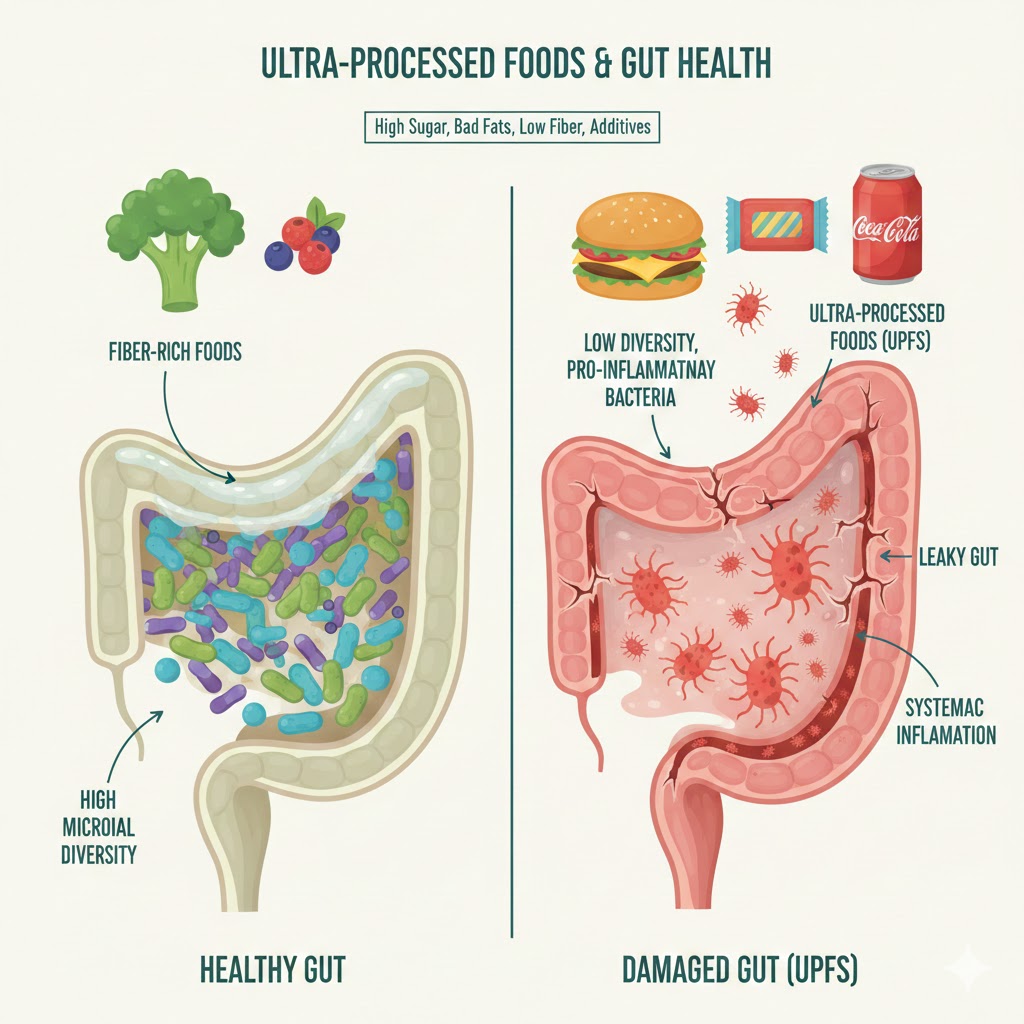
Your gut loves fibre-rich, natural foods. When you load up on ultra-processed stuff, you end up starving the good bacteria and stirring up inflammation. Artificial sweeteners and preservatives? They do a number on your gut lining—think more bloating, lousy digestion, and a weaker immune system. Ultra-processed foods (UPFs) epidemiological studies indicate an increased risk of gut diseases, including inflammatory bowel disease.
The Addictive Nature of Ultra-Processed Foods
Let’s be real—ultra-processed foods are built to hook us. Food companies know exactly what they’re doing. They design these snacks and meals to light up the dopamine centres in our brains, so we keep reaching for more.
By 2025, ultra-processed foods aren’t just tasty—they’re basically engineered to mess with our natural hunger signals. You end up eating more than you meant to, and before you know it, you feel like you need them just to get through the day. It’s not just about flavour; it’s about creating cravings you can’t shake. A recent meta-analysis estimated the global prevalence of addiction to ultra-processed food at 14% — equivalent to that of alcohol-use disorders.
Hidden Ingredients in Ultra-processed Foods
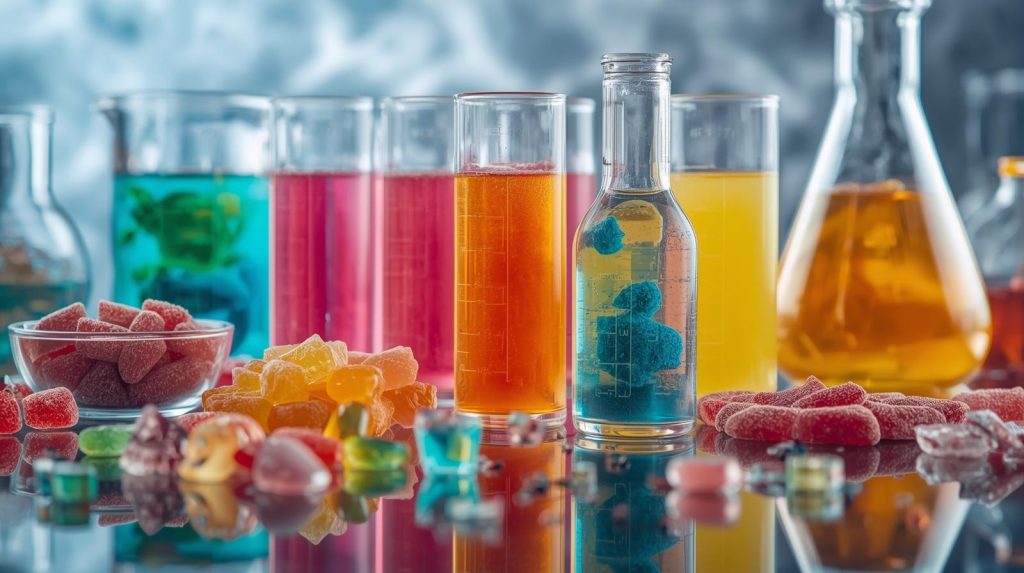
A lot of health problems start with ingredients most people barely recognise. Things like artificial preservatives, MSG, hydrogenated oils, and artificial colours—they sneak into foods all the time, and honestly, most folks have no idea what those things can do to their bodies. They also tend to include many additives and ingredients that are not typically used in home cooking, such as preservatives, emulsifiers, and sweeteners. The primary processed food danger lies in the high concentration of synthetic additives and refined sugars that trigger chronic inflammation and metabolic disease. Hidden ingredients in processed foods like artificial preservatives side effects often include chemicals that negatively affect digestion and metabolism.
Ultra-Processed Foods and Health Nutrition
New research from 2024 and 2025 points to a connection between eating a lot of ultra-processed foods and feeling anxious, depressed, or just mentally foggy. Processed food and obesity are closely linked. High Sodium Processed food (over 70%) comes from eating packaged and prepared foods—not from table salt added to food.
Turns out, these foods can leave you short on key nutrients your brain needs. When you don’t get enough, your neurotransmitters get out of balance—and that messes with your mood and emotional stability. Some studies even link ultra-processed diets to more brain inflammation, which doesn’t help things. Basically, what you eat really does show up in how you feel. Ultra-processed foods often contain high levels of saturated fat, salt, and sugar, and when we eat them, we leave less room in our diets for more nutritious foods.
Why Ultra-Processed Foods Are More Dangerous in 2025
Ultra-processed foods these days aren’t just packed with artificial flavours—they’re engineered to hook you. Food companies keep tweaking their recipes, loading them up with more synthetic additives and clever flavour tricks that make it tough to stop eating.Harmful packaged foods weaken immunity and reduce overall nutritional intake when consumed regularly.
In 2025, these foods are everywhere, and honestly, they’re worse than ever. They’re more addictive. They barely have any fibre. Sugar? It’s hidden in places you wouldn’t expect. And the marketing? It’s nonstop and relentless.
Put it all together, and you’ve got a recipe for health problems that hit way faster and harder than they did years ago.
How to Reduce Ultra-Processed Food Consumption
Cutting back on ultra-processed foods isn’t as tough as it sounds. Start by actually looking at food labels—yeah, those tiny ingredient lists matter. Go for whole foods when you can, especially stuff that’s in season. Try cooking at home more often, even if it’s just simple meals. And skip those “ready-to-eat” options lurking in the freezer aisle. They’re tempting, but you’re better off without them. Leave the commercial baby food; eat it less often. Try to plan and prepare meals at home in advance that use fewer processed foods. Foods that cause inflammation include refined carbohydrates, such as white bread and pastries.
Ultra-Processed Foods and Hormonal Imbalance in 2025
People don’t talk enough about how ultra-processed foods mess with your hormones. Seriously, in 2025, nutrition experts are sounding the alarm—these foods are a real problem for both men and women. We’re not just talking about empty calories. They’re packed with stuff like artificial preservatives, chemicals from plastic packaging, and loads of refined sugar. All of these throw your hormones out of whack.
If you eat this kind of food regularly, it hits key hormones like insulin, cortisol, estrogen, and leptin. Ultra-processed foods are polluted with endocrine disruptors. Ultra-processed foods increased fat mass, too. Too many refined carbs spike your insulin, which means your body starts storing more fat. And when leptin—the hormone that tells you when you’re full—gets disrupted, suddenly you can’t trust your own hunger signals. The result? You’re dealing with weight gain, constant tiredness, weird sleep patterns, and your metabolism just slows right down. It’s a mess. Clean eating nourishes your body with healthy and nutrient-dense foods.
For women, eating too many ultra-processed foods can make issues like PCOS and thyroid problems worse. For men, it drags down testosterone. Over time, these foods don’t just mess with your hormones—they hit harder when life’s already packed with stress. In today’s world, that makes them especially risky.
Final Thoughts
Understanding the dangers of Ultra-Processed Foods in 2025 is no longer optional; you can’t just ignore the dangers of ultra-processed foods. Sure, they’re convenient, but that convenience comes at a price: things like low energy, weaker immunity, and even a shorter life. The risks aren’t really a secret anymore. We’re talking about everything from messed-up metabolism to mental health struggles. Swapping out ultra-processed stuff for real, whole foods makes a big difference. It’s one of the best things you can do for your body and mind. Now that more people are catching on, choosing what you eat matters more than ever. That’s how you build a healthier future—one honest meal at a time.


