

AI ethics in 2025 explains why responsible artificial intelligence, ethical AI development, data privacy, and AI governance are critical in today’s digital world.
Table of Contents
Introduction
By AI Ethics in 2025, artificial intelligence will be everywhere. It’s running hospital diagnostics, from healthcare AI and financial AIsystems crunching numbers for banks, screening job candidates, and even monitoring cities through smart surveillance. This rapid growth has made AI ethics and responsible artificial intelligence essential. AI shapes big decisions every day for millions of people. With all this power, with no ethical computing, ethics matter more than ever. When developers skip ethical guardrails, AI can spread bias, leak private data, and ruin trust online.
At this point, building ethical AI isn’t just a nice idea—it’s the only way to keep innovation sustainable and focused on real people. AI doesn’t just speed things up—it can also make existing problems worse. When it comes to algorithmic bias, data privacy, and digital trust, AI can really do some damage. It can take small biases in the data and blow them up. It can put sensitive information at risk and make people question if they can trust the whole digital world at all.
What Is AI Ethics and Responsible Artificial Intelligence?
AI ethics in India is all about the values and rules that shape how we build and use artificial intelligence. Responsible artificial intelligence ensures AI remains fair. When people talk about responsible AI, they mean making sure these systems are fair, open about how they work, trustworthy, safe, and always put people first.
There are a few big ideas at the heart of AI Ethics in 2025: treat everyone fairly, keep things clear and understandable, take responsibility for what AI does, respect people’s privacy, and make sure these systems are safe and reliable.
If companies skip these steps in 2025, they’re not just risking fines. They could ruin their reputation and lose people’s trust, fast.
AI Fairness, AI Transparency, AI Accountability, Data Protection & AI compliance are some core Principles of Ethical AI Development.
Why AI Ethics Matter More Than Ever in 2025?
1. AI is everywhere now — in hospitals, banks, classrooms, and even in how governments make choices. When AI gets it wrong, real people pay the price. It’s on us to make sure these systems help people instead of making things worse or leaving any doubts. AI powers healthcare in hospitals & Banking. Responsible computing ensures AI innovation benefits.AI systems now make more autonomous decisions.
2. Bias in AI(Algorithmic bias) keeps making headlines, and for good reason. This is one of the most serious Ethical issues in AI. If you train an AI on bad data, you get bad results — like unfairness in hiring, loans, law enforcement, and insurance. The only way around it is to build fairer systems and use data that actually represents everyone, so these decisions don’t end up hurting people. AI bias prevention and inclusive datasets are critical for fair automation.
3. AI runs on data — and a lot of it is personal. As we head into 2025, people worry more than ever about their data privacy, especially with things like facial recognition and tracking. Responsible AI means you protect privacy from the start, get real consent, and follow the rules that keep data safe. Digitalrights and privacy by design are central pillars. AI systems are often trained on biased datasets.
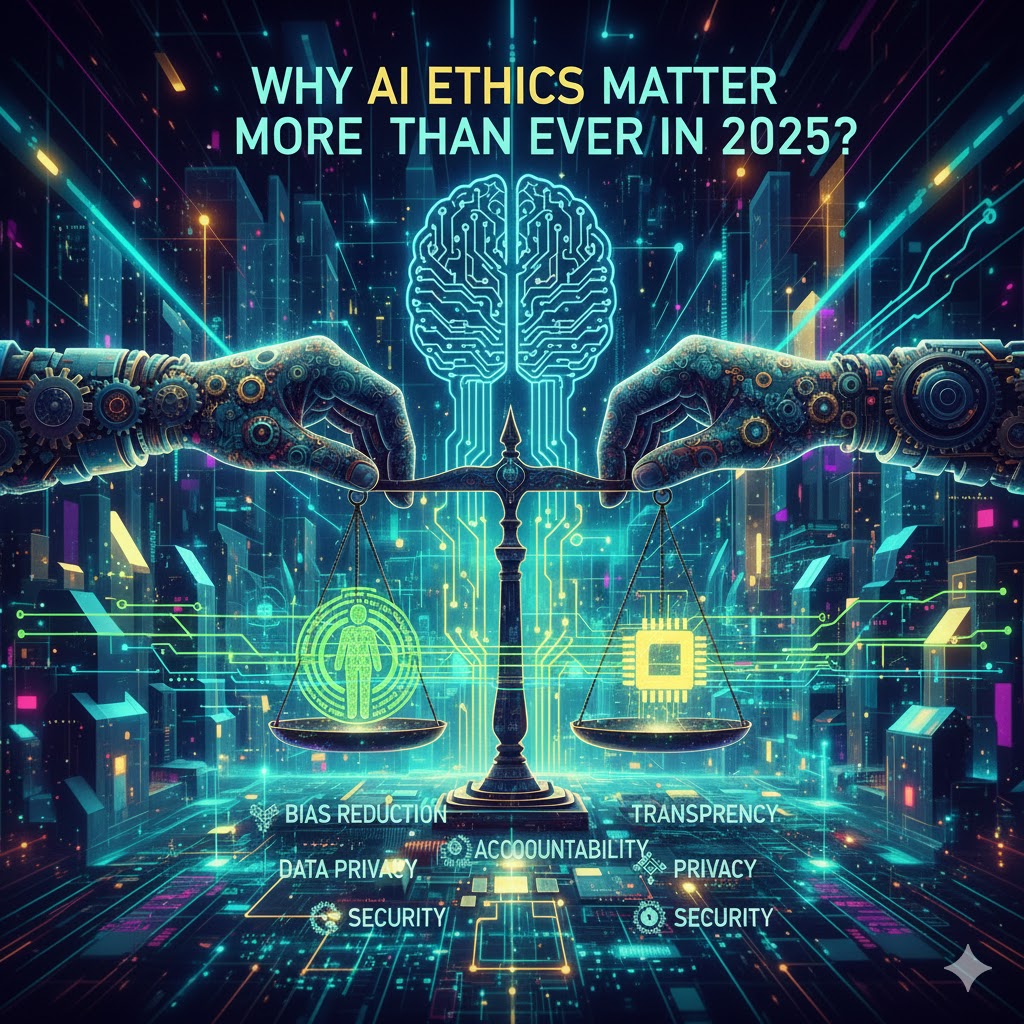
Responsible AI and Transparency
AI keeps getting smarter, but the way it thinks isn’t always clear. If we want people to trust these systems, we need to pull back the curtain. That’s where explainable and transparent AI ethics in 2025 comes in. When the rules are clear, users and regulators can actually see how decisions happen. They can ask questions, challenge results, and check for mistakes—especially when the stakes are high. Without that, it’s tough to trust what the AI is doing.AI Ethics in 2025 technological advancements can help foster a world with less bias and more fairness.
Accountability matters when it comes to AI.
Companies need to spell out exactly who steps up if their AI messes up. Keeping humans involved—especially for big decisions—means we don’t just hand everything over to the machines. It’s about making sure someone’s watching and taking responsibility, which is honestly more important now than ever. Explainable AI (XAI) and AI transparency help users mostly.
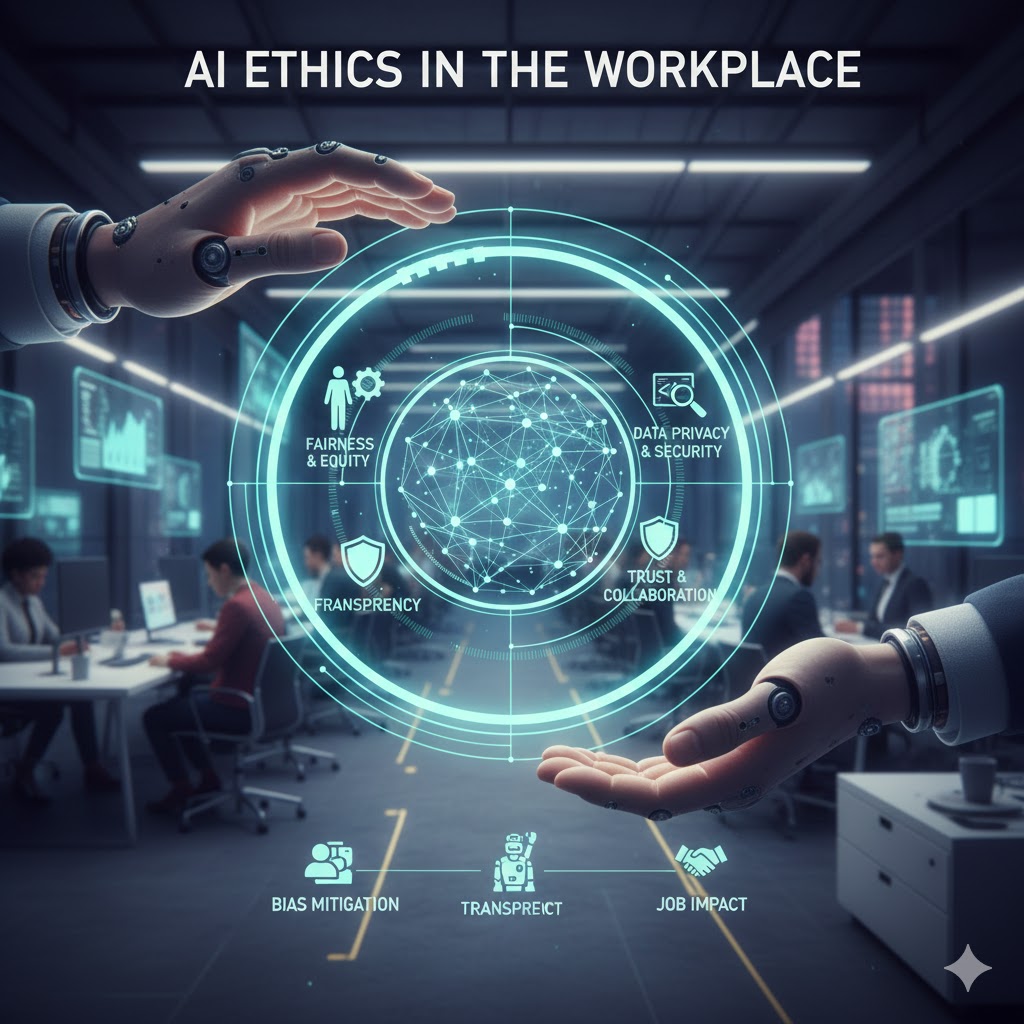
AI Ethics in 2025 the Workplace
More and more companies use AI tools to track productivity, measure performance, and monitor employees. Sure, these tools can make everything run smoother, but they also raise some tough questions about privacy and what’s really fair at work. Human-centric AI ensures machines do not replace human judgment entirely. Human-in-the-loop AI reinforces accountability.
When companies use AI responsibly, they focus on a few basics: using employee data ethically, being open about how AI makes decisions, keeping those decisions fair, and respecting everyone’s digital rights. While efficient, they raise concerns about workplace AI ethics and employee monitoring ethics.
That’s what ethical AI really does—it builds real trust between the folks who work together every day. Responsible AI is a design and development philosophy nowadays.
Global AI Governance and Regulation
By 2025, governments and international organisations will be rolling out tougher rules for ai ethics in 2025. Following ethical guidelines isn’t just a nice thing to do anymore—it’s the law. New AI laws and global standards are targeting high-risk uses of AI to keep Digital Trust.
Companies that take AI compliance and ethics seriously aren’t just avoiding trouble. They’re actually building trust and credibility, which puts them ahead of the game.

Ethical Challenges in Emerging AI Technologies
1. Generative AI and Misinformation
Generative AI can whip up convincing text, images, or videos in seconds. That’s pretty cool, but it also makes spreading fake news and deepfakes way too easy. So, building AI responsibly isn’t just about the tech—it’s about making sure we use solid safeguards to keep things honest. AIgovernance, AI regulations, and technology ethics are international standards now for how to operate.
2. Environmental Impact of AI
Running big AI models burns through a lot of energy. It’s a real carbon footprint problem. That’s why people working in AI are trying to make things greener, pushing for more efficient tech that won’t wreck the planet in the process. AI ethics in 2025 adoption supports AI risk management. Sustainable AI promotes green computing and responsible innovation. responsible AI enhances decision-making, boosts efficiency, and mitigates risks.

Best Practices for Ethical and Responsible AI
Here’s how to bring responsible AI Ethics in 2025:
- Set clear ethical guidelines (ethics AI in 2025) for your AI projects.
- Check your AI systems for bias and risk—don’t just set them and forget them.
- Keep your data safe and prioritise cybersecurity.
- Let people see how your AI works. Be transparent and explain your decisions.
- Teach your team what AI ethics in 2025 (AI ethics) really means and why it matters.
- Big Tech’s dominance in Artificial Intelligence raises ethical concerns.
Conclusion
AI ethics in 2025 isn’t just a buzzword—it sits right at the heart of how we move forward with technology, artificial intelligence 2025. As AI weaves itself deeper into our jobs, economies, and everyday routines, we need to keep ethics front and centre. That means building and using responsible artificial intelligence, ethical computing & AI governance in ways that protect human rights and help people trust what’s happening behind the scenes.
When we talk about AI ethics in 2025 , we’re really talking about making sure new tech is fair, open, and actually good for society. In the end, the future of AI isn’t just about what the technology can pull off. It’s about whether we use it responsibly, with people in mind every step of the way of ethical AI in 2025.


