


In the ever-evolving landscape of Indian food and wellness, few traditional ingredients have made a comeback as gracefully as Makhana. Once reserved for religious rituals and festive offerings, Makhana, or fox nuts, have now found their way into the pantries of health-conscious households across urban India. This humble seed from the lotus plant has risen to become a symbol of healthy snacking, bridging the gap between traditional wisdom and modern nutritional needs.
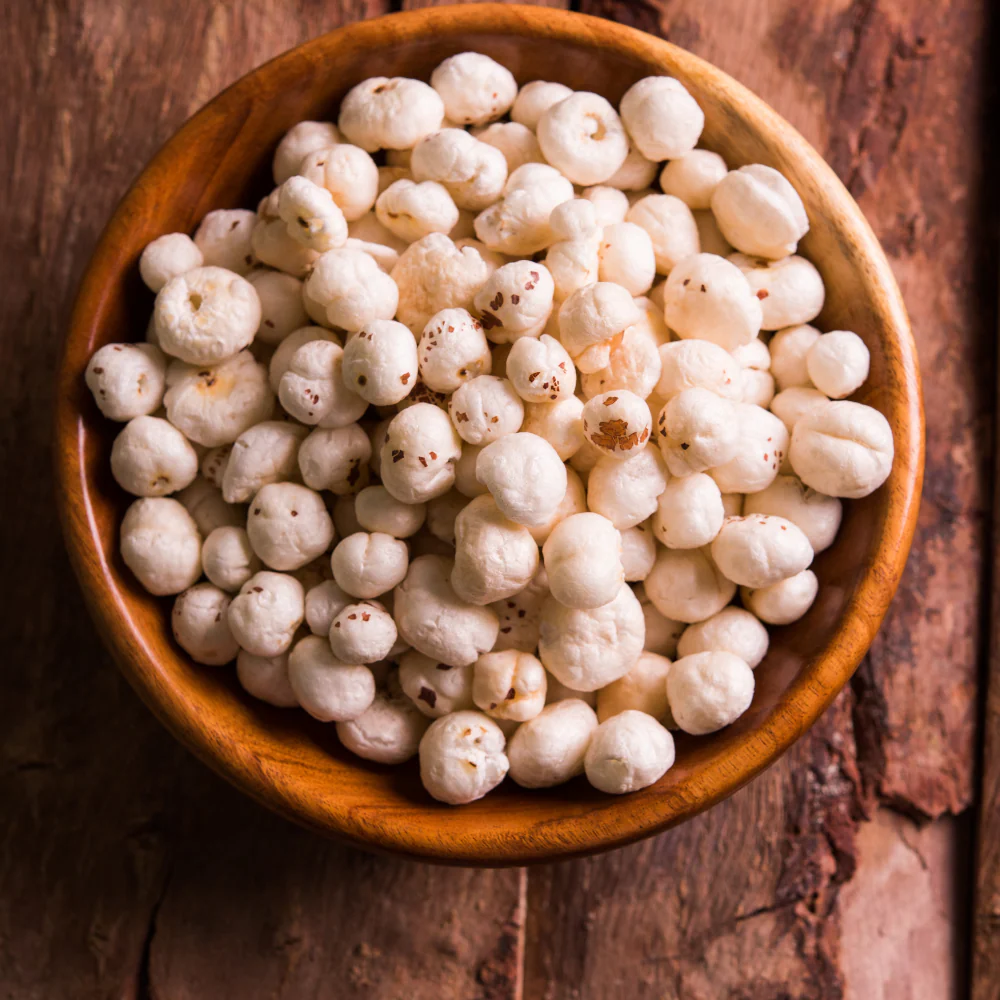
The Journey of Makhana: From Temple Bowls to Snack Bowls
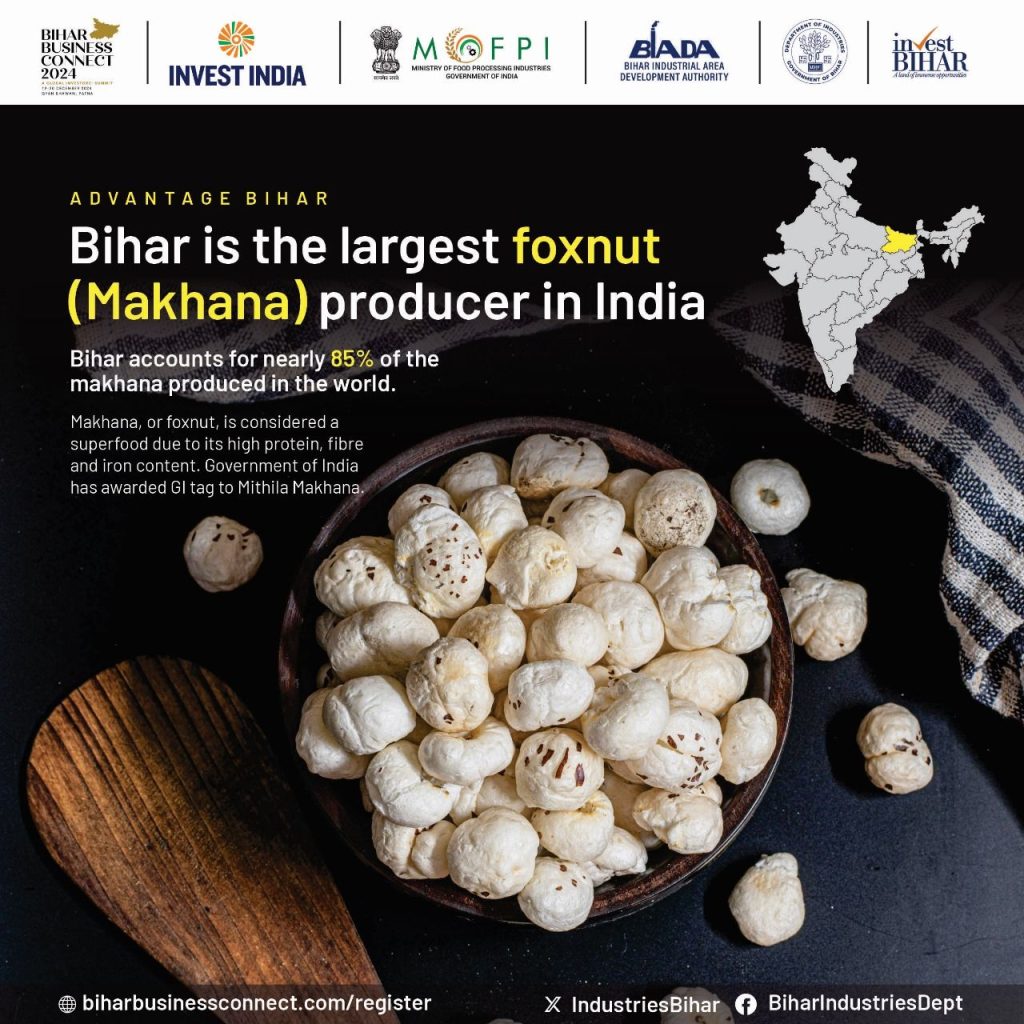
Makhana traces its origins to the Mithilanchal region of Bihar, particularly around the districts of Darbhanga and Madhubani, which remain India’s largest producers of fox nuts. For centuries, farmers in this region have cultivated fox nuts in stagnant water bodies, using age-old techniques that demand precision, patience, and skill. Traditionally, fox nuts was considered a sacred food, often used in religious rituals, offered to deities, or consumed during fasting.
In the last decade, however, fox nuts has transcended its ritualistic image and stepped into mainstream markets as a healthy snack. Thanks to the growing demand for plant-based, low-fat foods, Makhana has become the go-to choice for fitness enthusiasts, nutritionists, and even chefs looking to innovate with local ingredients.

What Exactly Is Makhana?
Makhana comes from the seeds of the Euryale ferox plant, a type of water lily found in ponds and wetlands. These seeds are dried and roasted to make the crunchy, puffed form we see in stores today. Scientifically speaking, fox nuts is a superfood that combines low calories with high nutrition. It’s gluten-free, rich in plant protein, and low in fat, making it suitable for almost every diet type—from vegan to diabetic-friendly.
The Nutritional Powerhouse
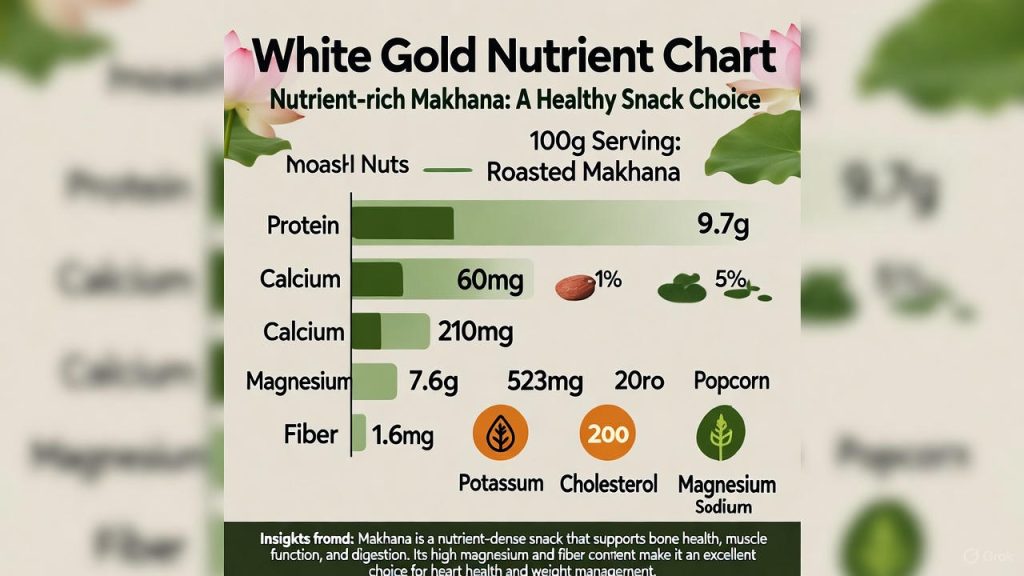
Nutritionists often refer to Makhana as “white gold” because of its nutrient density. A 100-gram serving of roasted fox nuts provides around 350 calories, but what makes it special is the quality of those calories. It’s packed with magnesium, phosphorus, iron, and calcium—minerals crucial for bone health, metabolism, and blood circulation.
Unlike many processed snacks that are high in sodium and trans fats, Makhana is naturally low in cholesterol and sodium. Its high protein content (about 9–10%) makes it ideal for muscle recovery and weight management. Moreover, the amino acid methionine present in fox nuts helps in detoxification and liver function.
Health Benefits of Makhana
1. Supports Weight Management
fox nuts is light yet filling, making it a great mid-meal snack for people trying to control their appetite. Its low glycemic index ensures that blood sugar levels remain stable, preventing sudden hunger pangs.
2. Promotes Heart Health
The magnesium in fox nuts helps regulate blood pressure, while its low sodium levels make it a heart-friendly snack. Consuming fox nuts instead of fried chips or processed foods can significantly reduce the risk of cardiovascular diseases.
3. Good for Digestion
Makhana contains natural fiber, aiding smooth digestion and preventing constipation. It’s also gentle on the stomach, making it a preferred food for those recovering from illness.
4. Anti-Aging Properties
Rich in antioxidants like flavonoids, fox nuts helps combat free radicals in the body. Regular consumption can slow down signs of aging, improve skin texture, and boost overall vitality.
5. Supports Bone Strength
With ample calcium content, fox nuts is beneficial for bone density. It’s particularly useful for post-menopausal women and older adults prone to bone weakness.
Makhana in Ayurveda and Traditional Medicine
Ayurvedic practitioners have long valued fox nuts for its restorative and sattvic properties. It is believed to balance Vata and Pitta doshas, offering both calmness and nourishment to the body. In ancient texts, fox nuts is described as a food that strengthens the kidneys, improves stamina, and boosts reproductive health. Its ability to enhance vitality has even earned it a place in several Ayurvedic tonics.
The Rise of the Makhana Industry in India
The transformation of Makhana from a local delicacy to a pan-Indian snack has been remarkable. What was once sold loosely in local markets is now packaged attractively under several brands. The Indian snack industry has witnessed a surge in fox nuts -based products—ranging from roasted fox nuts in exotic flavors to protein bars and breakfast cereals.
Government initiatives, too, have supported this growth. In 2022, fox nuts from Bihar received a Geographical Indication (GI) tag, recognizing its unique quality and traditional cultivation method. Today, India exports fox nuts to countries like the United States, Japan, and the United Kingdom, with the global demand for fox nuts expected to rise further as the healthy-snacking trend grows.
Flavored Makhana: Tradition Meets Innovation
One reason behind the rapid popularity of Makhana is the variety of flavors now available. Modern entrepreneurs have transformed it from a bland fasting food to a gourmet delight.
You can find Makhana in flavors like:
- Himalayan pink salt and pepper
- Pudina punch
- Peri-peri spice
- Cheese and herbs
- Caramel or chocolate-coated variants
These innovations have given fox nuts a contemporary twist, appealing to younger audiences who crave both taste and health. Even fitness influencers and dieticians have started recommending flavored fox nuts as a replacement for fried snacks.

Economic Empowerment through Makhana Farming
Beyond its nutritional appeal, Makhana has played a significant role in empowering rural communities, particularly in Bihar. The industry employs thousands of small-scale farmers, many of whom depend entirely on fox nuts cultivation for their livelihood.
The labor-intensive process—harvesting seeds from ponds, drying, roasting, and puffing—has created a robust micro-economy. With increased demand, many women’s self-help groups have also entered the packaging and flavoring business, marking fox nuts as a symbol of rural entrepreneurship.
How to Consume Makhana: From Kitchen to Cuisine
Makhana’s versatility in the kitchen makes it more than just a snack. Here are a few popular ways it is consumed across India:
- Roasted Makhana: Dry-roasted with ghee or olive oil and sprinkled with spices for a quick, crunchy snack.
- Makhana Kheer: A creamy dessert cooked in milk, flavored with cardamom and dry fruits.
- Makhana Curry: Often paired with paneer or peas in rich gravies for a wholesome meal.
- Makhana Chaat: Mixed with puffed rice, onions, and chutneys for a tangy treat.
- Makhana Smoothie: A modern experiment where powdered fox nuts adds texture and nutrition to shakes.
This adaptability allows fox nuts to fit effortlessly into both traditional Indian and contemporary global cuisines.
Sustainability and Environmental Impact
Another factor adding to Makhana’s appeal is its sustainable cultivation. The Euryale ferox plant grows naturally in shallow wetlands without heavy dependence on chemical fertilizers. In regions like North Bihar, farmers often rotate Makhana cultivation with paddy, maintaining soil fertility and water balance. As the world moves toward eco-conscious food choices, Makhana stands out as a climate-friendly crop with both nutritional and economic benefits.
Global Recognition and Future Potential
What quinoa is to the West, Makhana is fast becoming to India. With increasing global awareness about clean eating, Makhana’s export potential is immense. It aligns perfectly with current wellness trends emphasizing whole, plant-based foods. Major FMCG companies are investing in fox nuts -based snack lines, foreseeing a steady rise in its demand.
The future may even witness fox nuts -infused protein powders, breakfast cereals, and instant meal kits. The challenge, however, lies in maintaining quality standards, ensuring fair prices for farmers, and educating consumers about the authentic, unprocessed versions.
Challenges Facing the Makhana Industry
Despite its rising fame, the Makhana industry faces a few bottlenecks. Traditional processing techniques are labor-intensive, and mechanization remains limited. The price fluctuation of raw Makhana seeds often affects farmers’ income stability. Moreover, the lack of organized marketing channels makes it difficult for smaller producers to compete with big brands.
Addressing these challenges through technology, cooperative societies, and government-backed initiatives could make Makhana farming more profitable and sustainable in the long run.
Makhana as a Symbol of India’s Food Revival
The story of Makhana is not just about a snack—it’s about India rediscovering the nutritional richness of its indigenous foods. In a world dominated by imported “superfoods” like chia seeds or quinoa, Makhana proves that India’s own soil has equally powerful and healthier alternatives.
This shift towards native foods represents more than a dietary change—it’s a movement of self-reliance, sustainability, and cultural pride. By embracing Makhana, Indians are reconnecting with their culinary heritage while meeting modern wellness goals.
Conclusion
Makhana stands at the crossroads of tradition and modernity, bridging the gap between ancient wisdom and current health trends. From the serene ponds of Bihar to supermarket shelves across India, its journey is a testament to how local foods can find global recognition when backed by authenticity and awareness.
As consumers continue to seek healthier choices, Makhana offers an answer that is both nutritious and culturally rooted. It reminds us that sometimes, the next big food trend doesn’t come from afar—it’s been growing quietly in our own backyards all along.
FAQs
1. What are the main nutrients found in this popular puffed seed snack?
It is rich in protein, calcium, and antioxidants, making it a light yet nutritious option for health-conscious individuals.
2. How can one include it in a daily diet?
It can be added to breakfast bowls, roasted as a crunchy evening snack, or even used in curries and desserts for variety.
3. Is it suitable for people trying to lose weight?
Yes, it’s low in calories and high in fiber, which helps promote satiety and reduces unnecessary snacking.
4. Can it be consumed during fasting?
Absolutely. It is one of the most common fasting foods in India because it provides instant energy and is easy to digest.
5. What are some innovative recipes that use this ingredient?
Chefs are experimenting with laddoos, kheer, savory mixes, and even smoothies, turning it into a versatile superfood.
6. How should it be stored to retain crispiness?
It should be kept in an airtight container away from moisture, as it easily loses its crunch in humid environments.
7. Is it suitable for people with gluten intolerance?
Yes, it is naturally gluten-free and can be safely consumed by those with celiac disease or gluten sensitivity.
8. What makes it better than conventional fried snacks?
Unlike fried chips or namkeens, it contains negligible oil and no trans fats, making it a heart-healthy alternative.
9. Are there any side effects of overconsumption?
Overeating can cause bloating or constipation in some individuals, so moderation is key for best results.
10. Where can one buy good-quality roasted varieties online?
Many trusted Indian brands now sell packaged versions on e-commerce platforms, offering flavored and organic options.


