


What behavioral changes really mean in understanding your child
As a parent, you need to know about your child’s behavioural changes. you may have a question: Why does behaviour matter? but this is also important when parenting your child. As a parent, you need to know about the children’s feelings, learning, emotions, and adapting to the present situation. Sometimes it’s a puzzle for most parents.
Behaviour as an adult varies from a child’s behaviour; every stage of the child’s behaviour changes from growth to adulthood.
Let’s take a closer look at why a child’s behaviour change is important and what does means, and how we can handle it with love and understanding.
Growth Brings Change
Growth from a toddler to a teen, every stage of behaviour comes with new milestones like physical, emotional, and mental growth that led to developmental changes.

A toddler may exhibit outbursts in their behaviour as they are learning to express their emotion with small actions of anger to some words of development.
Preschoolers begin testing their limits as they discover independence through the children they meet.
School-age children face social pressure that pressures them to act in their behaviour, and understanding the rules and fairness leads.
Teens are always seeking their identity and freedom, which also provokes parents when they are handling their children. it may look like rebellion, but it often means they are learning who they are and what they need.
The behavioural change is an equal part of developmental change; it is a sign of progress, not a problem that changes in behaviour.
Emotions start with you
Children often experience complex emotions, making it a long process to explain them. Like an acting child is always misbehaving, it makes us look into their emotions, like tired, insecure, scared, and overwhelmed.
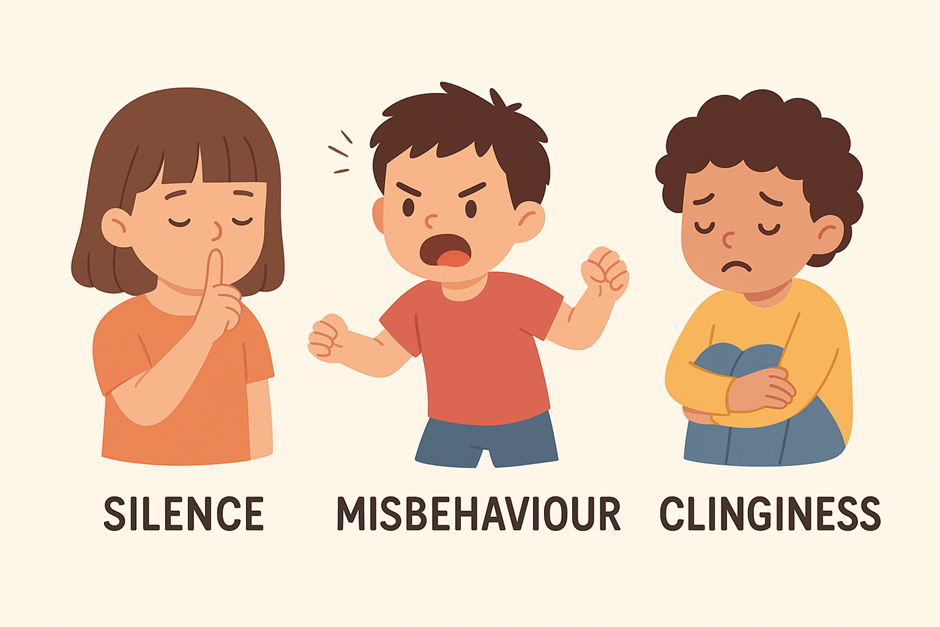
Some examples, like sudden clinginess, may reflect anxiety or insecurity in the child’s behaviour, and some come with mood swings that occur when they adapt to their new experiences or friendships.
Some make them isolated, or silence or withdrawal might be a sign of sadness or confusion.
When you need to Be Concerned
As a parent, you need to know that behavioural changes are a normal part of growing up children from a child to an adult. In some cases, it may indicate deeper emotional or developmental needs for their growth.
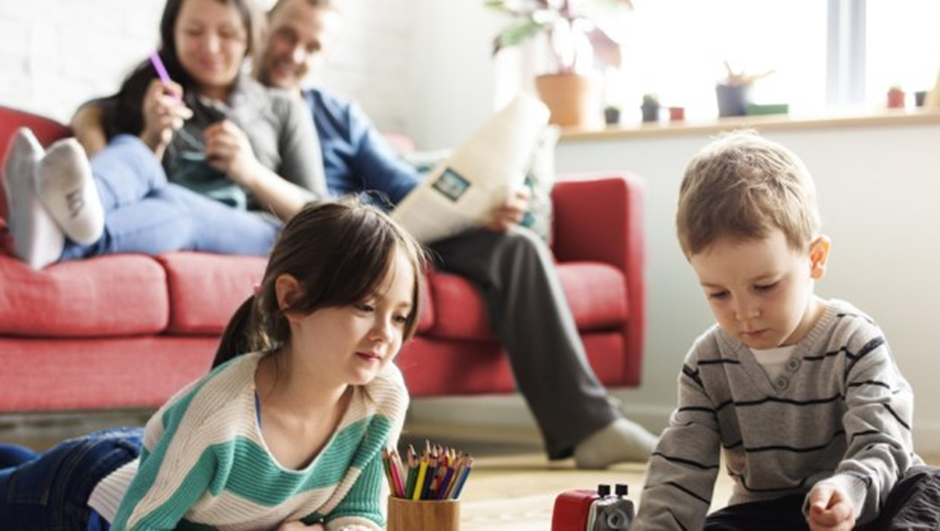
If you notice other than some behaviour, you can seek professional support or consulting with them gives a better understanding of your child, such as,
- Extreme anger or aggression with violent behaviour
- Changes in eating or sleeping habits
- Declining school with academic and sports performances
- Avoiding friends’ circles or activities they once enjoyed
- Persistent sadness or withdrawal from the surroundings
Environmental Triggers change the behaviour
Changes in a child’s surroundings often lead to behaviour shifts. Children who are moving from a comfortable zone of old being to a completely new environment have behaviour changes, like a new school, a new person, or new siblings, or family conflict, that make a drastic change in behaviour.
- A new school or teacher may cause nervousness and a bit of an increase in stress for adapting to the new surroundings.

A new sibling might bring jealousy or attention-seeking where they care for the one child, not me. They may think of it this way and talk about it with them.
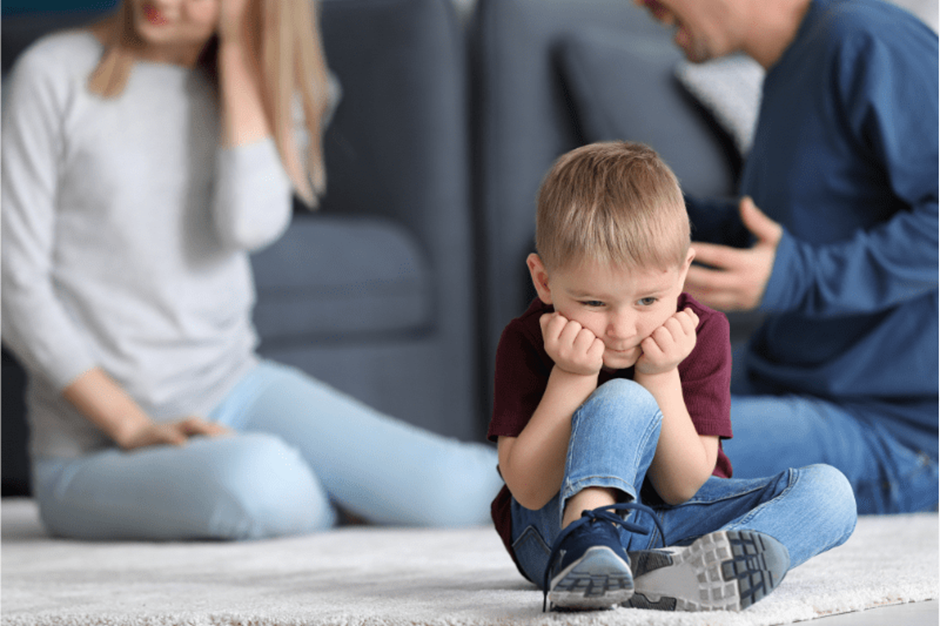
Family stress or conflict can make children more emotional or withdrawn. If the family conflict affects the children by lacking support from their parents, they seek support from other means.
Aggressive vs. Withdrawn Behaviour
Aggression and withdrawal are two sides of the same emotional coin, where one shows feelings outward, but the other hides them. Both children need understanding when they have a limit, not punishment for every behaviour outcome
| Type of Behaviour | What You See | Possible Cause | How to Support |
| Aggressive (Outward) | Hitting, shouting, refusing to listen | Frustration, anger, or lack of emotional control | Stay calm, set clear boundaries, and teach emotional words to express yourself. |
| Withdrawn (Inward) | Quiet, avoids friends, prefers isolation | Anxiety, sadness, or low confidence | Encourage communication, spend time together, and praise small efforts |
.
Attention-Seeking vs. Independent Behaviour
Some of the children behave aggressively and silence themselves as we know, but if a child who craves attention from you, that doesn’t mean they are “spoiled,” and being a quiet child, by seeing them as independent, one isn’t always “mature.” Each emotion varies in terms of behavioural changes, and you need to know how to approach them.
| Type of Behaviour | Common Signs | Why It Happens | How to Approach |
| Attention-Seeking | Constantly interrupts, demands praise | Insecurity, need for validation | Give scheduled one-on-one time, reward positive attention |
| Independent | Prefers to do things alone, avoids help | Developing confidence or fear of control | Encourage collaboration, show trust, and guide gently |
Rule-Breaking vs. Overly Obedient
Children with overly obedient always need to be watched; if they behave obediently in front of you, then make their changes outwardly. Rule-breaking is always about the teens with curiosity and demanding that they need an independent life. Both extremes reflect emotional needs, i.e., one for freedom, the other for reassurance. Balancing both emotions is a task as a parent.
| Type of Behaviour | What You See | Meaning | Support Strategy |
| Rule-Breaking | Talks back, tests limits | Asserting independence, curiosity | choices, explain consequences, and listen to their viewpoint |
| Overly Obedient | Fears mistakes, avoids saying “no” | Fear of disapproval or perfectionism | Encourage self-expression, praise honesty over obedience |
Building a Bridge of Understanding
The heart of parenting lies not in control but in connection. you need to give the right amount of space and also be in control of it. Many parents of a single child have more behavioural changes that come with the outcome of dominating, mingling with friends, and feelings towards siblings or others. It takes some time to adjust.
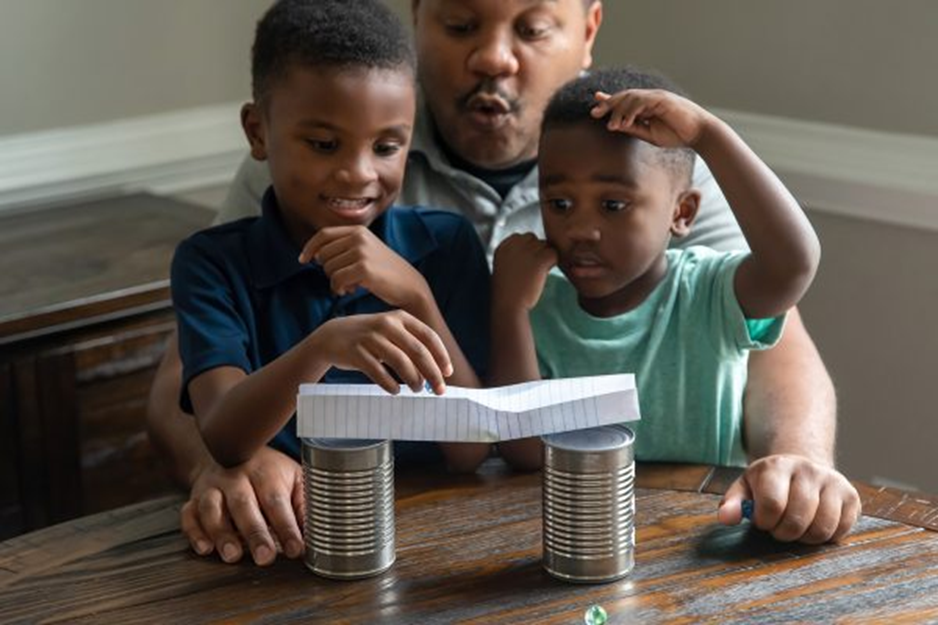
Validate their feelings about children by minimizing them.
Spend time doing activities that they love, listen to them, and give suggestion that makes them improve in every aspect. These moments strengthen trust and communication.
When you take time to understand why your child behaves a certain way, you help them feel seen, heard, and valued.
Connect, Understand, and Support Your Child.
Understanding your child’s behaviour starts with observation, patience, and empathy.
Don’t wait for behaviour to become more challenging; that starts connecting today. Share your experiences, ask questions, and let’s navigate your child’s journey together!”
Frequently Asked Questions
- How can I tell if my child’s behaviour change is normal?
Most short-term changes are part of growth. Look for patterns; if their behaviour changes for weeks or disrupts daily life, it’s worth seeking advice. - Should I punish misbehaviour during emotional changes?
Punishment often increases fear or resistance. Instead, just focus on understanding the reason behind the behaviour and guiding them calmly. - Who can help if I’m worried about my child’s behaviour?
You can consult a child psychologist, school counsellor, or paediatrician. Early support helps your child build healthy emotional skills. - What’s the best way to support my child during change?
Maintain routines, listen actively, and show empathy. Your presence and patience are the most powerful tools of all. - Why does my child’s behaviour change suddenly?
Sudden changes often stem from stress, transitions, or emotional overwhelm with a new environment or surroundings. Try to identify recent life changes or new stress-provoking events. - How can I handle tantrums effectively?
Stay calm, acknowledge feelings, and set gentle boundaries. Avoid shouting; tell them that calm energy helps children regulate faster. - Should I worry if my child becomes quiet or withdrawn?
A short, quiet phase is normal, but if it lasts for weeks or affects eating and sleeping, check in emotionally or seek professional support.


