


Jolly LLB 3 has taken Indian cinema by storm, reminding audiences that laughter can be the sharpest form of protest. The film doesn’t just entertain — it educates, provokes, and leaves viewers reflecting on the realities of the Indian justice system. As the third installment in the much-loved Jolly LLB series, Jolly LLB 3 continues the legacy of courtroom drama blended with biting satire, exposing corruption, judicial delays, and the clash between power and truth.
In a time when many films choose escapism, Jolly LLB 3 stands out for daring to mock the inefficiencies of the system — and doing so with humor and heart. It’s not merely a sequel; it’s a mirror to society, wrapped in wit, wisdom, and the quintessential Bollywood flair.
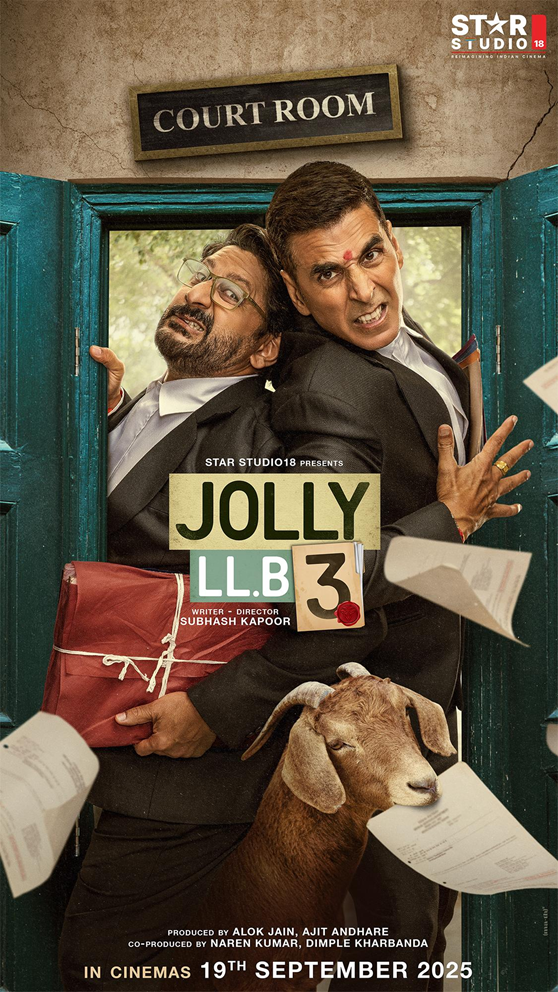
The Evolution of the Jolly LLB Series
Before diving deep into Jolly LLB 3, it’s important to understand where the series began. The first film, Jolly LLB (2013), introduced Arshad Warsi as a small-time lawyer fighting against a rich and influential attorney. Its sequel, Jolly LLB 2 (2017), saw Akshay Kumar take the mantle, tackling themes of fake encounters and police corruption. Both films struck a chord because they spoke to a universal truth — that justice in India often tilts in favor of those with power and privilege.
With Jolly LLB 3, the story evolves from individual battles to a deeper confrontation between morality and manipulation. The film smartly brings both Arshad Warsi and Akshay Kumar together, making it not just a cinematic event but a symbolic face-off between two ideologies: idealism and pragmatism.
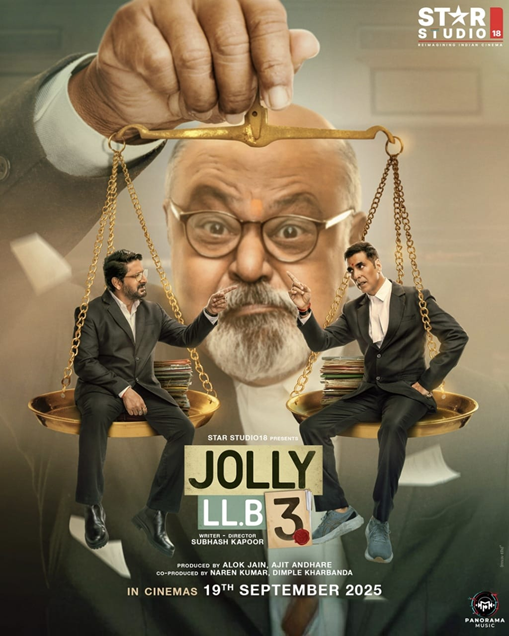
The Power of Satire in Cinema
Jolly LLB 3 isn’t just a courtroom drama — it’s a political and social satire that mocks the cracks within India’s legal machinery. Through its humor and exaggerated dialogues, it lays bare some uncomfortable truths. Satire, in this film, becomes a tool for awakening rather than ridicule.
From the courtroom scenes that show endless adjournments to the manipulative tactics of lawyers who twist laws to suit clients, Jolly LLB 3 reveals how justice, in practice, often becomes a privilege rather than a right. The film uses humor not to dismiss these problems but to force the audience to recognize them. When you laugh at the absurdity of the proceedings, you also realize how tragically real they are.
The Common Man and His Struggle for Justice
At the heart of Jolly LLB 3 lies the story of the aam aadmi — the ordinary citizen who continues to place faith in the justice delivery system despite its flaws. Every Jolly LLB film champions the cause of the marginalized, the unheard, and the victimized.
In Jolly LLB 3, this theme takes center stage yet again. Whether it’s a wronged family, a victim of systemic neglect, or a poor man accused without evidence, the film highlights how the legal system, though slow and imperfect, remains the only avenue for justice in a democracy. The movie doesn’t glorify the judiciary blindly; rather, it presents a realistic image of its chaos, corruption, and compassion — all existing together.
Jolly LLB 3: Humor with a Purpose
Bollywood has produced countless comedies, but very few have managed to make people laugh and think simultaneously. Jolly LLB 3 achieves this rare balance. Its courtroom dialogues are packed with wit, sarcasm, and irony — yet beneath every joke lies a painful truth about legal red tape, media sensationalism, and the misuse of power.
The brilliance of Jolly LLB 3 lies in its ability to turn humor into a moral compass. The character of Jolly, whether portrayed by Warsi or Kumar, evolves from a self-serving lawyer to a man guided by conscience. His transformation mirrors the film’s larger message: justice isn’t about legal victories; it’s about moral triumphs.
The impact of jolly llb 3 on modern bollywood and public perception
Jolly LLB 3 has become more than just a hit film — it has become a cultural conversation. Through its compelling courtroom scenes and fearless storytelling, Jolly LLB 3 reshapes how the audience views the Indian legal system. The movie’s success shows that viewers crave content that not only entertains but also enlightens.
In many ways, Jolly LLB 3 redefines the role of Bollywood in addressing serious issues through entertainment. It proves that satire and social commentary can thrive at the box office if handled with intelligence and honesty. The film has revived the courtroom drama genre in Bollywood and encouraged filmmakers to take creative risks while staying socially relevant.
Beyond its entertainment value, Jolly LLB 3 sparks real discussions — in classrooms, law colleges, and on social media — about how citizens can reclaim faith in the judiciary. It is not just a film but a reflection of people’s collective frustration and hope. The popularity of Jolly LLB 3 underscores that storytelling, when rooted in truth, has the power to inspire reform.

The Battle of the Two Jollys: A Metaphor for India’s Legal Duality
The film’s most exciting feature is the return of both Jollys — Arshad Warsi and Akshay Kumar. Their on-screen rivalry is not just a narrative choice but a metaphor for the dual nature of India’s legal profession.
On one side stands the idealistic lawyer who fights for justice, and on the other, the pragmatic one who plays by the system’s unwritten rules. Their clash represents the ongoing battle between ethics and ambition, truth and convenience, justice and judgment. Through their interactions, Jolly LLB 3 delivers its strongest message — that the law, no matter how flawed, remains the foundation of democracy when practiced with integrity.
Reflecting the Realities of India’s Justice Delivery System
Jolly LLB 3 draws inspiration from real-life issues — overburdened courts, endless hearings, corruption, and the misuse of legal power. According to reports, more than 4 crore cases are pending in Indian courts, many dragging on for decades. The film dramatizes this backlog through exaggerated yet relatable sequences, depicting how the poor often lose hope long before they get a verdict.
The film’s courtroom isn’t just a setting — it’s a living, breathing symbol of the nation’s struggle between progress and paralysis. The audience witnesses judges overwhelmed by files, lawyers juggling multiple cases for survival, and litigants growing old waiting for justice. Yet, amidst this chaos, Jolly LLB 3 finds rays of hope — honest judges, empathetic advocates, and a system that, though slow, still delivers justice in the end.
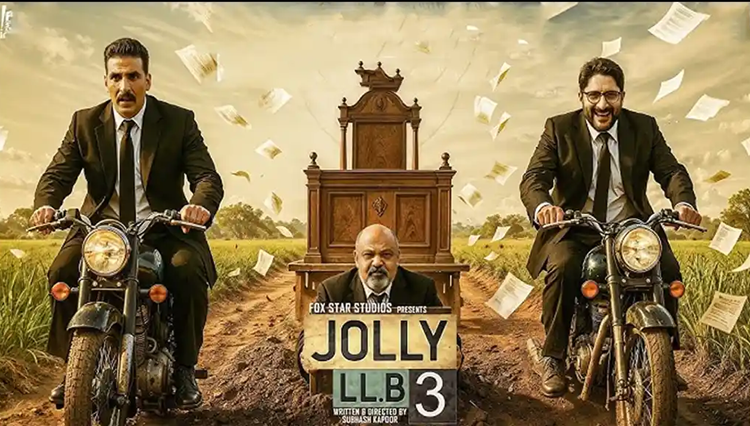
Media, Morality, and the Manipulation of Truth
Another strong thread running through Jolly LLB 3 is its critique of modern media. The film showcases how news channels sensationalize cases, turning serious judicial matters into entertainment spectacles. This reflects a growing concern in Indian society: the replacement of justice by public opinion.
By presenting courtroom proceedings that are constantly under media scrutiny, the film questions whether truth can survive in a world where headlines decide guilt and innocence. Jolly LLB 3 subtly urges both journalists and citizens to reflect on their role in preserving the sanctity of justice.
Performances that Define the Film
The brilliance of Jolly LLB 3 lies as much in its writing as in its performances. Arshad Warsi brings raw realism and understated humor, while Akshay Kumar delivers power and charisma. Together, they create a dynamic that keeps viewers glued to the screen. Their dialogues — fiery yet funny — drive the film’s rhythm.
Supporting actors, including the judges and witnesses, add authenticity. The court staff, the public waiting for verdicts, and even the tea-seller outside the court become symbolic of the ecosystem that keeps the legal machinery running. The human side of justice — the pain, patience, and persistence of the common man — shines through every frame.
A Cinematic Mirror to Legal Ethics
At its core, Jolly LLB 3 is a film about ethics — the kind of moral dilemmas every lawyer faces when the law collides with humanity. It exposes the ease with which laws can be bent for profit, yet celebrates those who uphold their oath of integrity.
The film’s deeper message is that justice isn’t about courtroom theatrics or big speeches. It’s about the quiet courage to stand by truth when the system itself seems compromised. Jolly LLB 3 teaches that the practice of law is not merely a profession — it’s a moral responsibility to society.
Jolly LLB 3 and the Spirit of Democracy
One of the film’s most profound contributions is its reaffirmation of faith in India’s democracy. Despite mocking the inefficiencies of the justice system, Jolly LLB 3 ultimately celebrates it. The film reminds viewers that even with all its flaws, India’s judiciary remains the last line of defense for the voiceless.
It’s a message that resonates deeply in today’s times — when people are often disillusioned with institutions. Through its humor, Jolly LLB 3 reinstills the belief that democracy survives not because it is perfect, but because it allows room for correction, debate, and reform.
Why Jolly LLB 3 Strikes a Chord
The success of Jolly LLB 3 lies in its ability to connect with audiences across backgrounds. Viewers see their own frustrations in its characters — the endless paperwork, delayed judgments, and the helplessness of facing bureaucracy. Yet, they also find hope in Jolly’s resilience, humor, and determination to make things right.
It’s this blend of realism and optimism that makes Jolly LLB 3 a film of the people, for the people. It reassures the audience that justice, though delayed, is not denied when courage and conscience prevail.
Justice, Laughter, and Hope
Jolly LLB 3 isn’t just another sequel; it’s a cinematic reminder that laughter can be revolutionary. By blending satire with sincerity, the film successfully portrays the contradictions of the Indian justice system — chaotic yet noble, slow yet sincere, flawed yet fundamentally fair.
The film’s message is clear: justice in India may take time, but it lives on because of those who dare to fight for it. Jolly LLB 3 invites viewers not only to laugh at the absurdities of the courtroom but also to reflect on the role each citizen plays in keeping the spirit of justice alive.
In the end, Jolly LLB 3 stands as a testament to the enduring belief that humor can heal, truth can triumph, and that even within the most broken systems, there exists the potential for change — one Jolly at a time.
Did You Know?
Jolly LLB 3 continues the legacy of its predecessors, both of which were inspired by real courtroom stories that questioned the fairness of India’s legal system. The first Jolly LLB drew attention to a real-life hit-and-run case, while Jolly LLB 3 takes that realism a step further — blending satire, humor, and hard-hitting truth to show how ordinary lawyers fight extraordinary odds in the Indian judiciary. Many fans believe Jolly LLB 3 isn’t just a movie — it’s a reflection of how justice works (and sometimes doesn’t) in real life.


