


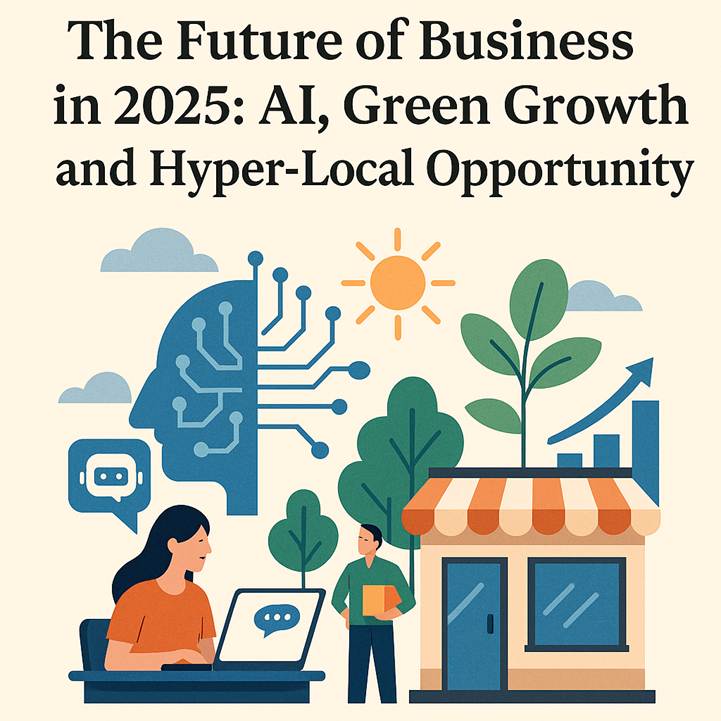
Today We’ll Discuss
What is business? For some, it’s just about selling products. For others, it’s about building empires. But in reality, business is nothing more than solving problems and creating value — in exchange for trust and money.
Now, why does it matter more in 2025? Because the way we look at success has changed. A decade ago, youngsters wanted government jobs or safe careers in MNCs. Today, the same youngsters dream of running their own ventures. They don’t just want salaries; they want ownership. They want freedom. They want to create something that carries their name.
Look around and you’ll see it everywhere. A student in Delhi running a digital marketing agency from his laptop. A homemaker in Lucknow turning her recipes into an online food brand. A farmer in Punjab selling organic vegetables directly to customers using ONDC. These are not big corporates — these are everyday people rewriting the future of business.
And that’s what makes 2025 special. AI tools, green innovations, and hyper-local opportunities have lowered the barriers. You don’t need a huge office or crores of funding to start. You need an idea, some courage, and the will to try.
This year is not about waiting for the “perfect time.” It’s about starting. Small, messy, and local if needed — but starting anyway. Because right now, even the tiniest venture has the power to grow into something that touches lives far beyond its city, its state, or even its country.
Why business makes more sense now
First, a small truth: a job gives comfort. But comfort has a ceiling. Business does not. It’s messier. But the upside is different.
Three big things tilt the game toward ventures in 2025:
1. Tools are cheap or free. You don’t need a big team to make a brand look professional. Canva for design. Simple websites or marketplaces for selling. AI for quick writing.
2. Customers are everywhere online. Not just in big cities. People in smaller towns buy online now, and they want local things.
3. People care about values. Right now, “green”, “local”, and “ethical” matter. If you actually care, customers notice.
Small story: I know a woman in a small town who used to make pickles for friends. She posted one video of her process — simple, funny, messy — and orders started. Within months she hired two helpers. No office. No investors. Just trust and taste.
That’s the reality now. Your idea doesn’t need polish. It needs reach.
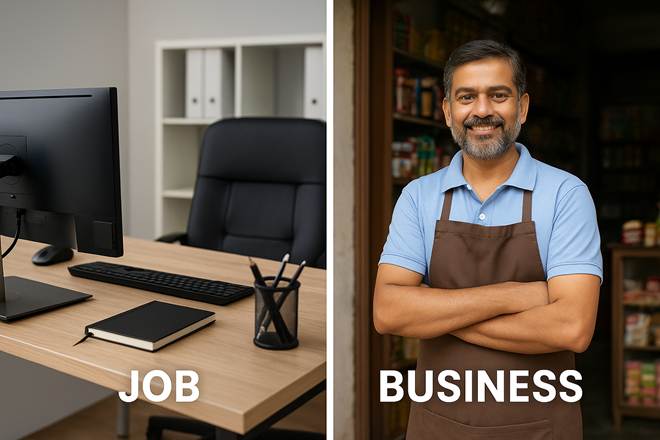
Jobs vs business — the honest trade-off
Let’s be frank.
A job gives you a steady salary. Predictable. Comfortable. Good for paying rent. Good for peace of mind.
A business gives you upside. Less predictability. More stress. But also more control. More chance to build something that lasts.
If you want comfort, take a job. If you want ownership — choose a venture.
Example: Falguni Nayar left a safe corporate career to build Nykaa. It wasn’t overnight. There were months of hard decisions. But she ended up building something big. That’s a classic pattern: leave comfort, face chaos, build value.
Small story: A friend of mine left his desk job to open a tiny café. For the first three months, it was slow. Then he started making videos of the chai he brewed. People loved the authenticity. Now he has three outlets. Was it easy? No. Worth it? For him — absolutely.
How businesses grow in 2025 — smart ideas, not just money
Use AI the right way
AI is not a magic wand. But it helps. Use it for repetitive stuff — answering common customer questions, suggesting headlines, or automating stock alerts. It frees you to do what humans do best: connect, create, and solve.
A small clothing brand I know uses AI to suggest ad copy and manage inventory. The owner still chooses the designs and talks to customers. AI handles the boring, repetitive parts.

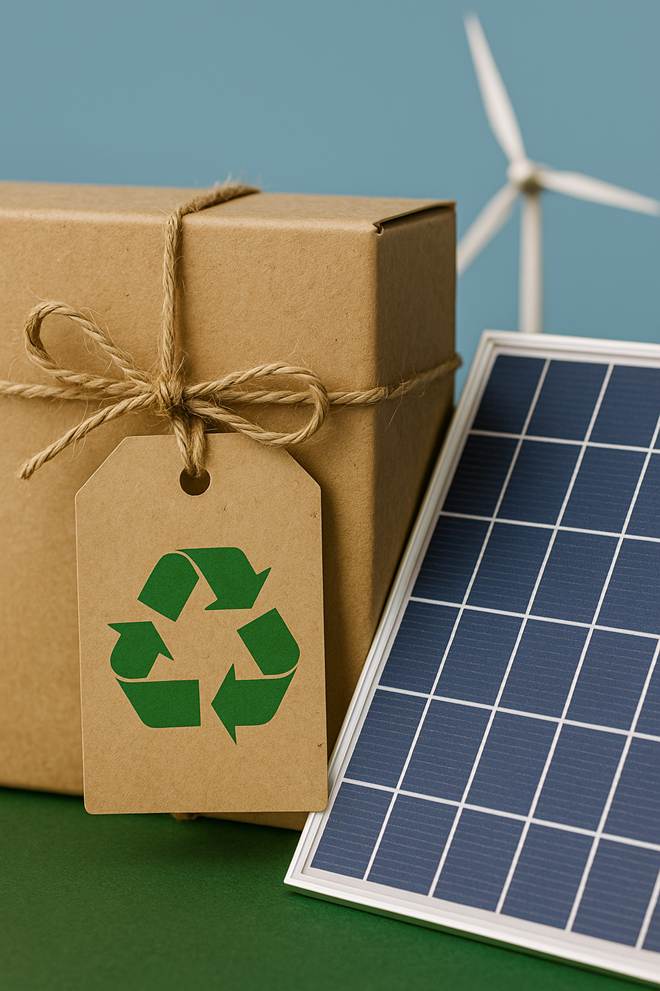
Make sustainability real, not hype
If your product is greener or your packing is simpler and honest — customers notice. Don’t fake it. Small, measurable steps matter. Switch to recycled boxes. Support a local farmer. Little acts build trust.
Go hyper-local — then stretch outward
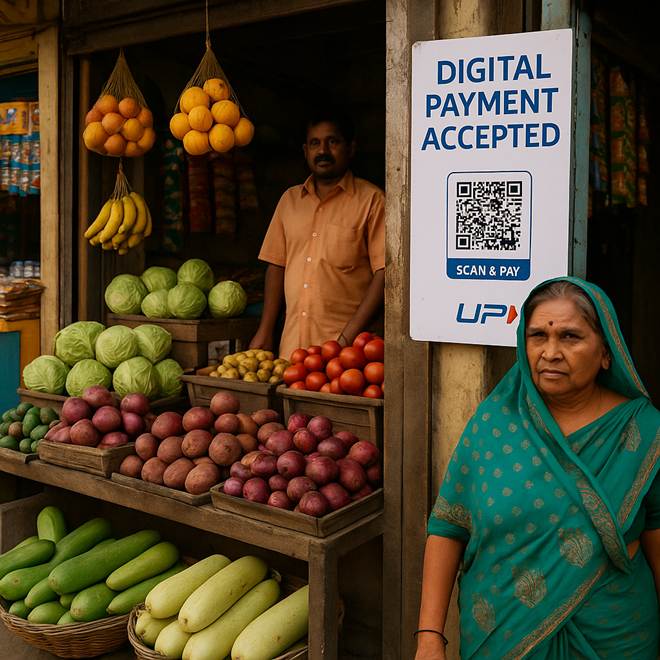
Start by being the best in your neighborhood. Learn what local customers love. Then scale that uniqueness to broader markets. A snack brand that tastes like home will sell to people far away who miss that taste.
Micro-story: A snack maker from Kerala focused on a particular banana chip recipe. He marketed that taste to NRIs overseas. The first orders were tiny. Now he ships regularly. Local flavor, global reach.
Build relationships, not just transactions
Give personalized messages. Send a note in the parcel. Remember a repeat customer’s preference. Word of mouth still beats the flashiest ad.
Advantages and real costs
Running your own thing has benefits. But let’s keep it real.
What you get:
• Control over how you work.
• Potentially higher income if you scale.
• Pride — it’s your name on the door.
• Ability to hire and create jobs.
What you sweat through:
• Financial uncertainty — some months are lean.
• Pressure and long hours in the beginning.
• Mistakes that cost time and money.
• The constant need to learn and adapt.
If you can handle uncertainty and like solving puzzles, you’ll enjoy it. If you hate risk, maybe keep the job — at least for a while.
Trends to watch (and use)
These are not buzzwords. These are tools you can use today.
• AI-first operations — even tiny teams are using AI to scale.
• Green and ethical brands — customers reward honesty.
• Tier-2 and rural markets — huge, less-crowded opportunities.
• Freelancer-to-founder paths — people are turning side-gigs into businesses.
• Micro-story economies — customers buy stories, not just products.
Small example: Meesho made selling easy for local resellers. That’s the power of platform + local trust.
Challenges — don’t sugarcoat it
Nothing is only upside. Also be realistic.
• Cyber risks. As you go online, secure your data. Simple: back up, use strong passwords, update software.
• Policy changes. Regulations change. Keep updated — or talk to someone who is.
• Competition. Once something works, many copy it. Stay original.
• Customer expectations. Faster delivery, better support — customers expect it.
Real people, real examples (short, human stories)
I’ll keep these brief — these aren’t case studies, just human moments.
• The home baker from Jaipur… authenticity sells.
• The textile seller in Surat… responsiveness matters.
• The village farmer… direct access to customers is powerful.
Big names you’ve heard — Bezos, Musk, Nithin Kamath, Ritesh Agarwal — all different stories. But one thing ties them: decisions under uncertainty. They all chose to act.
The mindset that really helps
I’ve seen many entrepreneurs. The ones who last share some traits:
• They are stubborn about quality.
• They are flexible about tactics.
• They care about customers more than quick profits.
• They sleep less in the early days. (Yes, that’s a real part of the job.)
And a small, unromantic truth: patience matters. Big success rarely arrives in a month.
Practical steps to start — a quick playbook
If you’re sitting with an idea, try this:
1. Start tiny. Test with a small batch or a landing page.
2. Talk to real people. Ask friends, neighbors, customers — what do they think?
3. Use free tools. Get a simple website, make a WhatsApp business number, use social posts.
4. Keep costs low. Use dropshipping or make-on-demand to avoid big stock risks.
5. Measure one thing. Track sales, not vanity metrics. What matters is repeat customers.
6. Keep your day job if needed. Slow, steady transition beats burning out.
What the next 5 years might look like
Predicting is silly, but here’s what feels likely:
• AI becomes a default assistant for many tasks.
• Climate-friendly businesses gain real momentum.
• Small towns create more founders.
• More hybrid work and creator-led businesses emerge.
• Some tech like blockchain finds everyday use — not everywhere, but in pockets.
Conclusion — one honest note
Business in 2025 is doable. It’s not easy. It’s not a trick. It’s a lot of small choices stacked over time. The tools are there. The customers are ready. What matters is you.
If you feel stuck, start where you are. Make one product. Tell one friend. Learn one thing. Repeat.
Most big companies started as a tiny, stubborn idea. Yours can too.
FAQs (short and practical)
Q: Is 2025 the right time to start?
A: Yes — if you can handle uncertainty and are willing to learn.
Q: How much money do I need?
A: Start with as little as possible. Validate first. Then invest based on actual demand.
Q: Will small-town businesses survive?
A: Absolutely. Local trust plus digital reach is a strong combo.
Q: Do I need formal education to start?
A: No. Curiosity, persistence, and learning matter more.
Q: One quick tip to boost sales?
A: Personalize. A short handwritten note in the parcel goes a long way.
Stay updated – follow us for more tips | Inkontrend


