

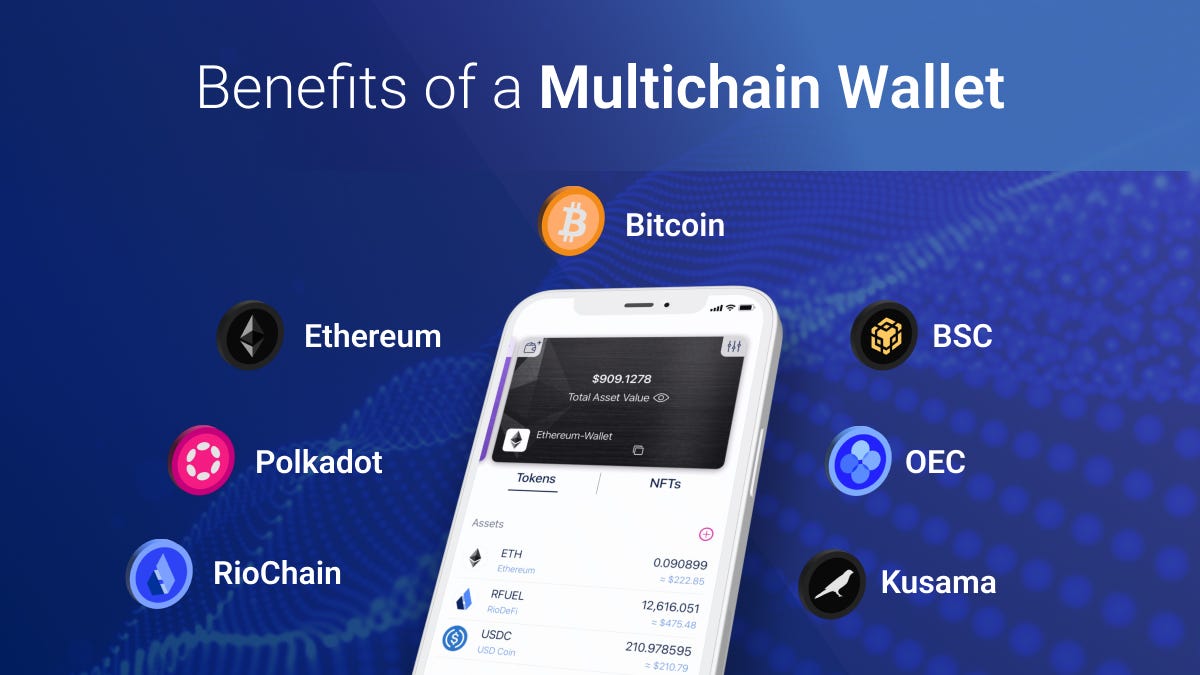
Okay, so check this out—DeFi is exciting. Wow! It moves fast. But when you start thinking seriously about multi-chain wallet security, my instinct said this would be simple years ago—actually, wait—let me rephrase that: it was simple only until it wasn’t.
Initially I thought wallets were just UX wrappers around keys, but understanding multi-chain wallet security made me realize the messy reality of cross-chain gas quirks, contract approvals, and hidden dApp behaviors.
Here’s what bugs me about common wallet marketing: they trumpet “multi-chain” like it’s a checkbox. Seriously? Multi-chain wallet security is more than just supporting multiple chains. It means different consensus models, varied fee patterns, inconsistent RPC behavior, and a thousand tiny UX landmines that trip up even seasoned users.
On one hand, wallets can offer seamless bridging and token visibility. On the other hand, poor multi-chain wallet security can leak approvals or misroute transactions when chain IDs or nonce schemes differ. My gut felt that something was off the first time a transfer stalled because of a nonce mismatch—tiny, but catastrophic if you care about funds. That’s exactly why multi-chain wallet security isn’t a marketing checkbox; it’s a real-world risk factor users feel only when something goes wrong.
Risk assessment, therefore, isn’t academic. It’s practical. It’s the difference between sleep and staring at the mempool at 2am. Hmm… I remember doing a manual reconciliation once—ugh, that was a mess. Short version: you need a system that models probable failure modes, not just flashy UI. You want to know the “what ifs” before you click confirm.
Multi-Chain Wallet Security: Transaction Simulation & Fail-Safes
Whoa! Simulating a transaction is the single most underrated feature. Medium sentence here to explain why. If a wallet can run a dry-run of a swap and predict reverts, slippage outcomes, and gas consumption, it reduces surprise. Longer sentence that ties things together: when a wallet simulates a route and shows you the end-to-end effect — including allowance changes, route hops through multiple protocols, and potential front-run windows — you make smarter trade-offs before you sign, and that is very very important for power users.
System 2 thinking kicks in here. Initially I assumed simulation was a checkbox. Then I dug in and found different wallets simulate with varying fidelity. Some only estimate gas, while others actually run eth_call-like simulations against the state, flagging approval races and post-execution balances. On the one hand that requires extra RPC calls and infrastructure costs; though actually, the long-term payoff in avoided losses is massive.
Multi-Chain Wallet Security: dApp Permissions & Approvals
I’ll be honest—I’ve granted blanket approvals before. Somethin’ about convenience wins sometimes. But that convenience is a risk vector, especially when multi-chain wallet security isn’t taken seriously. Approvals are the most persistent threat in DeFi because they can be token-agnostic and forever.
From a multi-chain wallet security standpoint, a wallet should show granular approval info, allow time-limited allowances, and clearly surface which contracts hold active permissions right now. Beyond UI, a mature wallet logs historical approval patterns and warns when a contract that once interacted with your assets changes its bytecode or starts calling an unfamiliar router—signals that could point to a governance takeover or a malicious upgrade.
On integrations: some dApps behave beautifully—transaction flows are clear, gas is predictable, and meta-transactions reduce friction. Other dApps obfuscate the flow, use proxies, or require multiple on-chain steps hidden under one “Confirm” button. That’s when I breathe in and get skeptical. My working rule: the wallet should decode calls and show human-readable intents. If it can’t, don’t sign. Really.
Multi-Chain Doesn’t Mean Multi-Secure
Short pause. Multi-chain wallet security often gets overlooked, even though multi-chain setups expand the attack surface significantly. Different chains have different block times, finality guarantees, and reorg likelihoods, all of which directly affect multi-chain wallet security. Bridging across chains introduces liquidity routers and custodial vectors that compound risk. A wallet that supports ten chains but applies a uniform security model will fail you in edge cases—strong multi-chain wallet security depends on chain-specific heuristics baked into the signing flow, so users see tailored risk notices based on the chain and operation.
Pragmatically, wallets should enforce chain-specific transaction simulations and provide inline warnings for operations notorious on that chain—like exploding gas on certain EVM-compatible L2s or high reorg probability on emerging networks. This isn’t sexy, but it’s real-world useful, and it meaningfully improves multi-chain wallet security. I also trust wallets that get the small details right: built-in EIP-4361 sign-in proof verification, deterministic nonce handling, and explicit replay-protection checks.
Practical Features That Matter (And How to Vet Them)
Quick checklist. Short. Look for these:
- Transaction simulation with clear outcome metrics.
- Granular approval management, with revoke options.
- Per-chain heuristics and warnings.
- Secure default RPCs plus user-configurable endpoints.
- Intent decoding that translates raw calldata into plain language.
Longer commentary: wallets that do those well aren’t just safer—they create better behavioural economics for users, nudging them to make safer choices. Initially I used half a dozen wallets to compare, and my bias showed: the ones that surfaced intents and allowed “simulate before sign” reduced my mistakes dramatically. I’m not 100% sure that simulation prevents every exploit, but it cuts a lot of common errors.
Integration Story: How a Strong Wallet Changes a dApp Experience
Okay, real world. I was testing a new AMM on an L2. The dApp required a two-step approval then a batched swap. The naive wallet showed two confirms. My favorite wallet simulated both steps and flagged a potential approval race where a second contract could siphon leftover dust. Whoa! I revoked and re-routed, which saved me a small but very real loss. That episode taught me: when wallet and dApp integration is tight, user mistakes fall. When it’s loose, mistakes compound.
Longer reflection: on a deeper level, wallets should act like air traffic controllers—coordinating, predicting conflict, and pushing alerts to pilots. They shouldn’t be passive key-stores. The wallet you choose shapes the safety of every dApp you visit.
Where rabby wallet Fits In
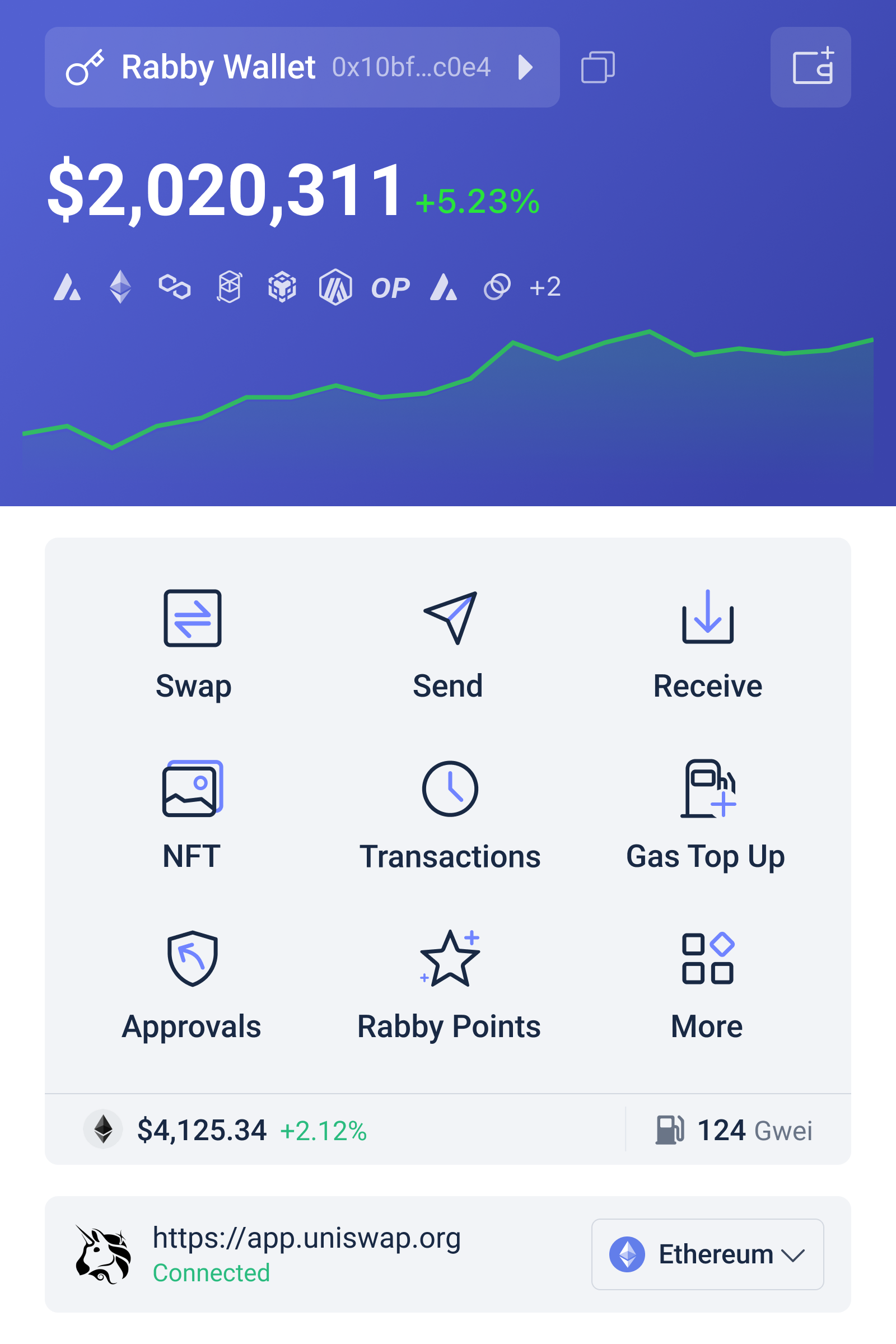
Here’s a practical callout: I recommend checking out the rabby wallet if you want a wallet that balances UX with strong transaction simulation and clear dApp intent decoding. It’s not magic. But it feels thoughtful in how it surfaces permissions and simulates outcomes—things that save time and capital. I’m biased, sure, but I appreciate tools that bake in safety and still make usage pleasant.
On the technical side, wallets that prioritize clear RPC orchestration, revert analysis, and allowance management will serve you best as you hop across chains. These are the features that make a wallet more than a key-manager—they make it a risk manager.
FAQ
How do I evaluate a wallet’s simulation fidelity?
Look for documentation about how the wallet simulates transactions—does it run an eth_call-like dry-run? Does it model gas across hops? Check whether the wallet flags approval side-effects and shows you post-execution balances. If they can’t explain their simulation method, be cautious.
Can a wallet prevent all dApp exploits?
No. Short answer. Wallets reduce user error and flag risky actions, but they cannot stop protocol-level vulnerabilities or social-engineering outside the signing flow. However, high-quality wallets push you toward safer defaults and offer tools to minimize fallout.
Is multi-chain support a security plus or minus?
Both. Multi-chain gives flexibility and exposure to opportunities, but it increases the attack surface. The key is a wallet that treats each chain with its own rules and presents tailored warnings—don’t trust a one-size-fits-all approach.


